

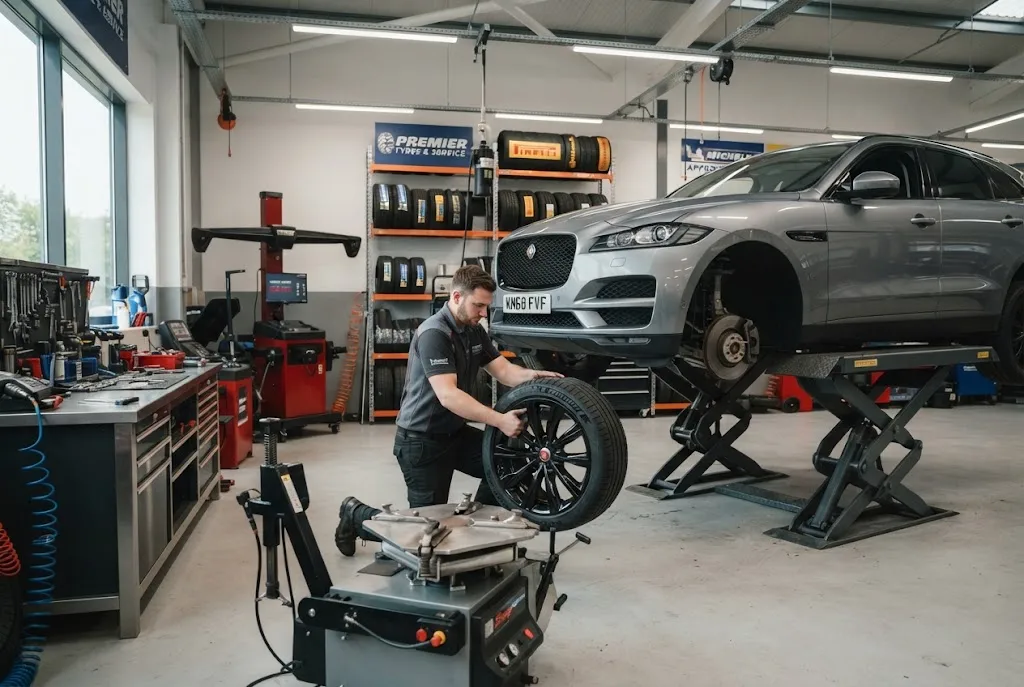
Tyre services cover much more than simply replacing worn tyres. For UK motorists, professional tyre fitting, repairs, balancing, maintenance and safety checks can all play an important role in keeping a vehicle roadworthy and suitable for everyday driving. Understanding when each service is needed can help drivers make better decisions and avoid preventable tyre-related problems.
Tyres are one of the few parts of a vehicle that remain in constant contact with the road, so their condition directly affects grip, braking and steering. UK drivers should therefore treat tyre maintenance as part of routine vehicle care rather than something to consider only after a puncture or breakdown.
What Do Tyre Services Include?
Modern tyre services cover a broad range of work designed to keep tyres correctly fitted, inflated, balanced and in suitable condition. Depending on the vehicle and the problem, a professional tyre provider may offer tyre fitting, tyre replacement, puncture repairs, wheel balancing, pressure checks and mobile fitting.
The right service depends on the condition of the tyre and the underlying cause of any problem. A damaged tyre may require replacement rather than repair, while vibration or uneven wear may indicate that wheel balancing or another vehicle-related check is necessary.
For drivers comparing different areas of vehicle maintenance, tyre care also sits alongside services such as wheel alignment, which can be particularly relevant when tyres are wearing unevenly or the vehicle does not track correctly.
Tyre Fitting and Replacement
Tyre fitting involves removing an existing tyre, installing the replacement onto the wheel and ensuring the assembly is correctly secured. Professional fitting is important because an incorrectly fitted tyre can create safety problems and may affect how the vehicle handles.
Tyre replacement is generally necessary when a tyre has reached the end of its usable life or has damage that makes it unsuitable for further use. Drivers should not rely solely on the appearance of the tread. Cuts, bulges, exposed cords and other defects can also indicate that a tyre needs attention.
UK guidance states that car, light van and light trailer tyres must have a minimum tread depth of 1.6mm across the central three-quarters of the tread and around the entire circumference. Tyres must also be free from relevant cuts and defects. Drivers are responsible for ensuring that their vehicles remain safe and roadworthy. GOV.UK guidance on vehicle safety provides further information for motorists.
When Are Tyre Repairs Appropriate?
Not every puncture automatically means that a tyre must be replaced. In some situations, a qualified tyre professional may be able to assess the damage and determine whether a repair is appropriate. However, the decision should be based on the location, severity and nature of the damage rather than simply on cost.
A tyre with significant structural damage, a serious sidewall problem or another defect may not be suitable for repair. Continuing to use a damaged tyre simply because it still holds air can create unnecessary risks.
Drivers should also avoid attempting repairs without appropriate knowledge and equipment. If a tyre has suffered a sudden loss of pressure or visible damage, it is safer to have it professionally assessed before continuing to drive.
Why Tyre Balancing Matters
Tyre balancing helps distribute the weight of a wheel and tyre assembly correctly. When a wheel is out of balance, drivers may notice vibration through the steering wheel or vehicle, particularly at certain speeds.
Balancing is commonly checked when new tyres are fitted, but it may also be recommended when vibration develops or when a wheel has been removed and refitted. Correct balancing can contribute to smoother driving and help reduce irregular wear.
It is important to distinguish tyre balancing from wheel alignment. Balancing addresses the distribution of weight around the wheel and tyre assembly, while alignment concerns the positioning and angles of the wheels relative to the vehicle.
Mobile Tyre Fitting: A Convenient Alternative
Mobile tyre fitting has become a useful option for motorists who cannot easily visit a traditional tyre centre. Instead of taking the vehicle to a workshop, a mobile technician can attend an agreed location where suitable equipment and working conditions are available.
This can be particularly convenient for drivers dealing with a flat tyre at home, businesses managing several vehicles or motorists who have limited time available for routine maintenance.
However, mobile fitting is not automatically appropriate for every situation. A safe working location is important, and serious roadside breakdowns may require a dedicated recovery or breakdown service rather than a standard mobile fitting appointment.
Tyre Safety: What UK Drivers Should Check
Tyre safety should form part of regular vehicle checks. GOV.UK advises motorists to ensure tyres have the correct tread depth and are free from cuts and defects. Tyre pressures should also be checked according to the vehicle manufacturer’s recommendations. The Highway Code’s vehicle maintenance guidance recommends checking tyre pressures weekly and doing so when tyres are cold.
Drivers should look for several warning signs, including:
- Low or visibly incorrect tyre pressure
- Uneven or unusually rapid tread wear
- Cuts, cracks or bulges in the sidewall
- Objects embedded in the tread
- Vibration while driving
- Changes in steering or handling
- Tread approaching or reaching the legal minimum
Uneven tyre wear can be especially useful as an early warning sign. It may result from incorrect pressures, suspension or braking problems, or wheels that are out of alignment. That means replacing the tyre alone may not always solve the underlying problem.
Tyre Maintenance Between Professional Visits
Regular maintenance can help motorists identify problems before they become more serious. Checking tyre pressures, inspecting the visible tread and looking for obvious damage takes only a small amount of time but can reveal issues that need professional attention.
Tyre pressures should be set according to the manufacturer’s specification rather than an arbitrary number. The correct information is normally available in the vehicle handbook and may also be displayed on the vehicle itself.
Drivers should also remember that tyre condition can change with use, weather and mileage. Long journeys, heavy loads and seasonal temperature changes are all good reasons to pay closer attention to tyre condition and pressure.
How Tyre Services Support Overall Vehicle Maintenance
Tyre care should not be considered in isolation from the rest of the vehicle. Problems with suspension, steering, brakes or wheel alignment can sometimes contribute to tyre wear. Similarly, a tyre issue may be the first visible sign that another component needs inspection.
For this reason, motorists who notice persistent vibration, pulling to one side or repeated uneven wear should consider a wider vehicle assessment rather than repeatedly replacing tyres.
This approach is particularly valuable for used vehicles. Anyone considering a second-hand car can benefit from understanding how vehicle inspection can identify potential mechanical and safety concerns before purchase.
How Much Do Tyre Services Cost?
The price of tyre services varies according to the vehicle, tyre specification, service required and provider. A straightforward tyre fitting appointment will usually involve different costs from a puncture repair, wheel balancing service or mobile call-out.
Tyre replacement costs can also vary substantially because tyres are available across different brands, sizes, specifications and performance categories. Drivers should compare the correct tyre specification for their vehicle rather than selecting an option based on price alone.
When comparing quotations, motorists should check whether fitting, balancing, valve replacement, disposal and any mobile call-out charges are included. Looking at the complete cost makes it easier to compare services fairly.
Choosing the Right Tyre Service Provider
A reliable provider should be able to explain what work is required and why. Rather than recommending replacement automatically, a professional should assess the tyre and explain whether repair, replacement, balancing or another service is appropriate.
Drivers should also check that the replacement tyres are suitable for their vehicle and that the work includes correct fitting and appropriate checks. Clear pricing and transparent communication are useful indicators when comparing providers.
For motorists managing several maintenance expenses, it can also be useful to understand the wider economics of vehicle ownership, including options such as repair finance when an unexpected repair creates a significant short-term expense.
Why Regular Tyre Services Are Worth Prioritising
Regular tyre services can help drivers identify problems before they develop into more disruptive or expensive issues. Professional fitting, timely replacement, appropriate repairs and balancing all contribute to better tyre management.
Most importantly, tyre safety is not something that should be postponed until an MOT or breakdown. Drivers should monitor tyre condition throughout the year and act when they notice damage, unusual wear, pressure loss or changes in vehicle behaviour.
Good tyre maintenance is ultimately part of responsible vehicle ownership. By combining routine checks with professional tyre services when needed, UK motorists can make more informed maintenance decisions and keep their vehicles in a safer, more reliable condition.
