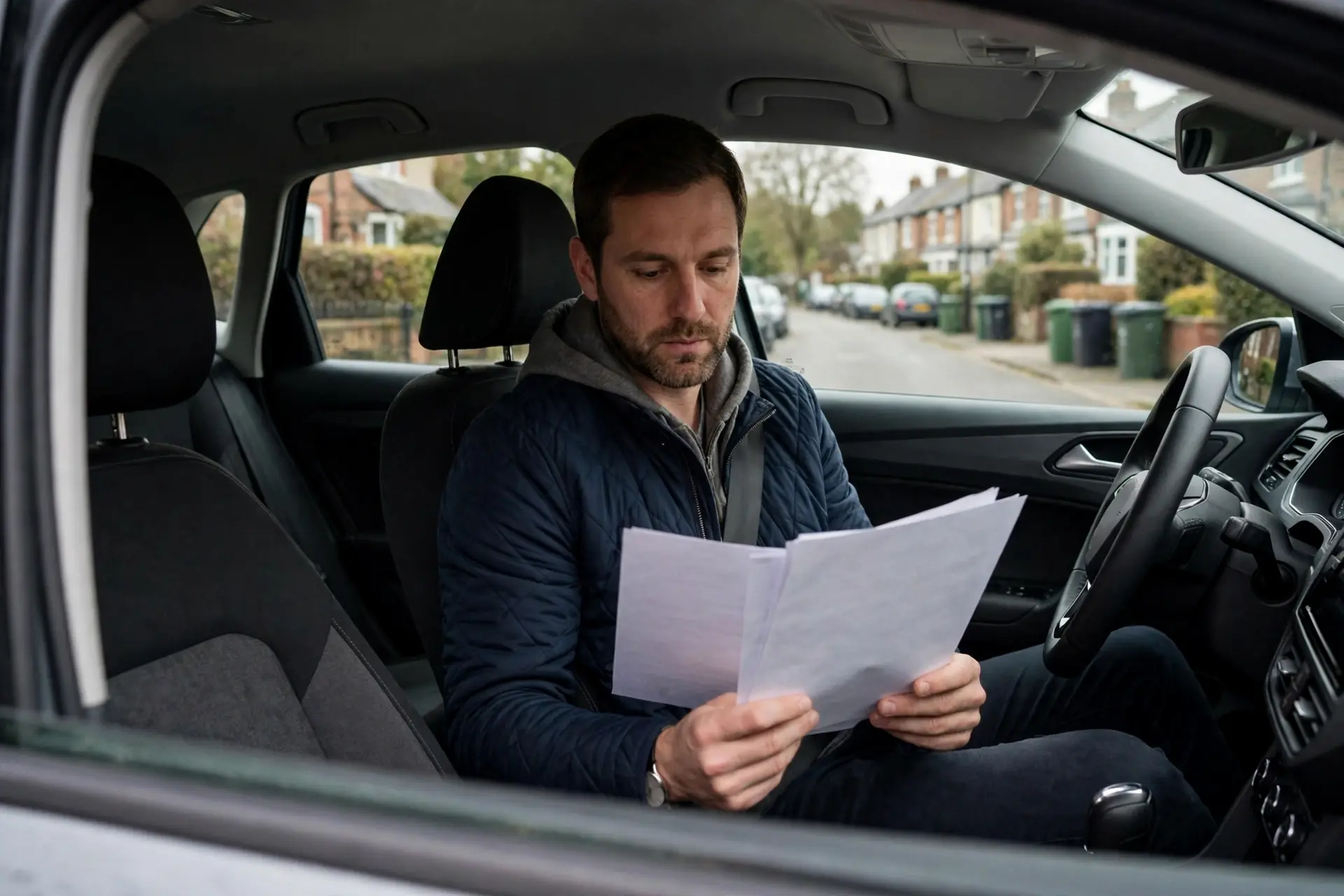
Travel insurance is the least exciting part of booking a holiday, and the part most likely to save it. A policy costs a small fraction of the trip itself, yet it stands between you and bills that can run into tens of thousands of pounds.
Many UK holidaymakers buy whatever pops up during checkout without reading what it actually covers. That works fine until something goes wrong, which is exactly when the details matter.
This guide explains what travel insurance really covers, what it leaves out, and how to choose a policy that matches the trip you are actually taking.
What Travel Insurance Actually Covers
Most policies bundle several types of cover together. The sections below are the ones that matter most, and the ones worth comparing between quotes.
Emergency medical expenses
This is the most important section of any policy. It pays for hospital treatment abroad and, if needed, the cost of getting you home. Treatment in the United States can be extremely expensive, and even in Europe a private clinic stay adds up quickly.
Your GHIC card still gives you access to state healthcare in most European countries, but it does not cover private treatment, mountain rescue or repatriation flights. Insurance fills those gaps, which is why the government advises travellers to hold both. The official guidance on foreign travel insurance explains what the state does and does not provide.
Cancellation and curtailment
This section refunds prepaid costs if you have to cancel before departure or cut the trip short. Reasons usually include illness, injury, bereavement or jury service. It does not cover changing your mind, so read the listed reasons before you buy.
Baggage and personal belongings
This pays out if your luggage is lost, stolen or delayed. Limits apply per item, and expensive gadgets often need to be named separately. Check the single-item limit against the value of your phone or camera before relying on it.
Travel delay and missed departure
Long delays usually trigger a small fixed payment, while missed departure cover helps if your transport to the airport fails. If you are driving yourself to the airport, our guide to renting a car without a credit card covers a related travel headache many people only discover at the rental desk.
What Travel Insurance Usually Does Not Cover
Exclusions cause most disputes between travellers and insurers. The common ones are predictable once you know to look for them.
- Pre-existing medical conditions that you did not declare when buying the policy.
- Alcohol-related incidents, including many falls and injuries after drinking.
- Activities classed as high risk, such as skiing, scuba diving or quad biking, unless you add them.
- Travel against official advice for your destination.
- Items left unattended, including bags left in a locked car overnight.
None of this makes a policy useless. It means the cheapest quote is only a bargain if its exclusions do not match your actual plans.
A Real Example of Why the Details Matter
A couple from Manchester flew to Greece last summer, hiring a car to explore the mainland. When the husband slipped on hotel steps and broke his ankle, their policy paid for private treatment and rearranged flights home, a bill that would have passed £4,000 on its own.
Their claim succeeded because they had declared his blood pressure medication when buying the policy. Had they left it undeclared to save a few pounds, the insurer could have refused the whole claim. If you are planning a similar trip, our guide to car rental in Greece covers the driving side of the same holiday.
How to Choose the Right Policy
Start with the trip, not the price. A week in Spain and a month backpacking through Asia need very different levels of cover.
- Decide between single-trip and annual cover. If you travel three or more times a year, an annual policy usually works out cheaper.
- Check the medical limit. Look for at least £2 million for Europe and £5 million for worldwide trips that include the United States.
- Match the cancellation limit to your booking. The cover should at least equal what you would lose if the trip fell through.
- Declare every medical condition. Answer honestly, even for minor medication. Non-disclosure is the most common reason claims fail.
- Add your activities. Winter sports, cruises and adventure activities usually need an add-on.
- Compare the excess. A very cheap policy with a £250 excess may cost you more in a claim than a mid-priced policy with a £50 excess.
Sorting the money side early helps too. Our explainer on travel money covers cards, cash and exchange rates, and our roundup of the best travel apps for UK holidaymakers can help you keep policy documents and emergency numbers in one place.
When to Buy Your Policy
Buy travel insurance as soon as you book the trip, not the week before you fly. Cancellation cover starts from the purchase date, so a policy bought early protects your deposit for months at no extra cost.
Leaving it late is a common and expensive mistake. If an airline fails or a family emergency forces you to cancel before you have insured the trip, there is nothing to claim on.
Keep the policy documents on your phone and leave a copy with someone at home. In an emergency, the insurer’s 24-hour assistance line is the first number to call, and having it saved beats searching through emails from a hospital corridor. Drivers heading off on a European road trip should also read our guide to car rental in Portugal if the Algarve is on the itinerary, since rental insurance and travel insurance overlap in ways that confuse many travellers.
What to Do When Something Goes Wrong Abroad
If the worst happens, call the insurer’s emergency assistance line first, before agreeing to expensive private treatment. The line is staffed around the clock, and the team can direct you to an approved hospital and guarantee payment directly, which saves you paying upfront and claiming later.
Keep every document: medical reports, receipts, police reports for theft, and the names of anyone you spoke to. Photograph them with your phone the same day, because paper has a habit of vanishing from hotel rooms.
Back home, submit the claim promptly and answer questions fully. Claims that drag on usually do so because paperwork is missing, not because the insurer is unwilling to pay.
Sorting Cover Before You Go
Travel insurance is not about expecting the worst. It is about making sure one bad day does not turn into years of debt or a ruined year.
Spend twenty minutes matching a policy to your trip, declare everything, and keep the documents handy. After that, you can get on with looking forward to the holiday, which is rather the point.