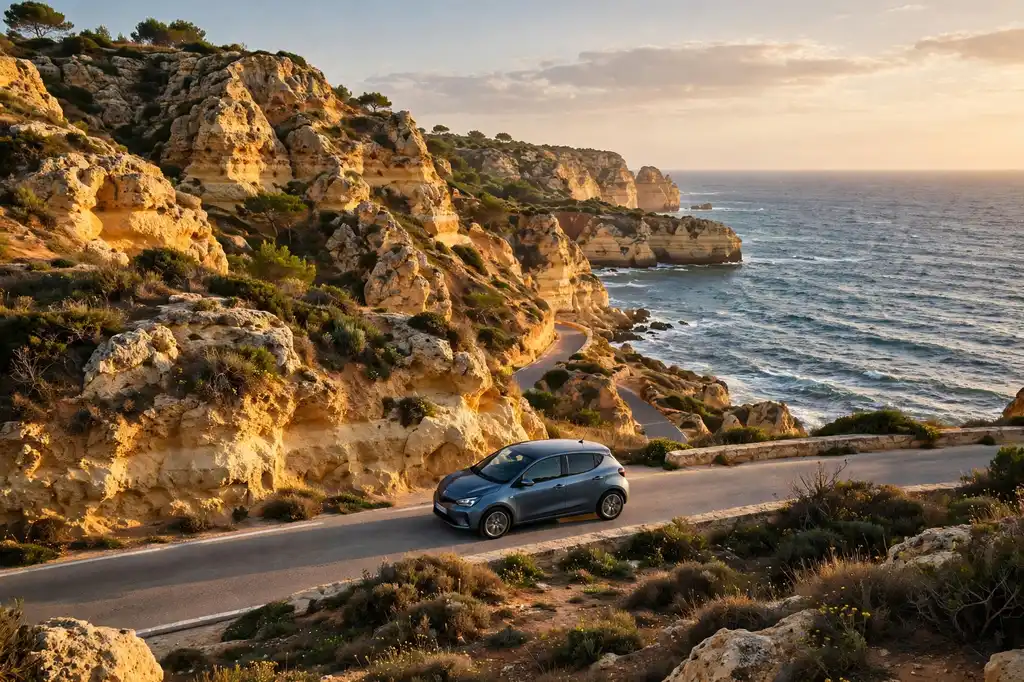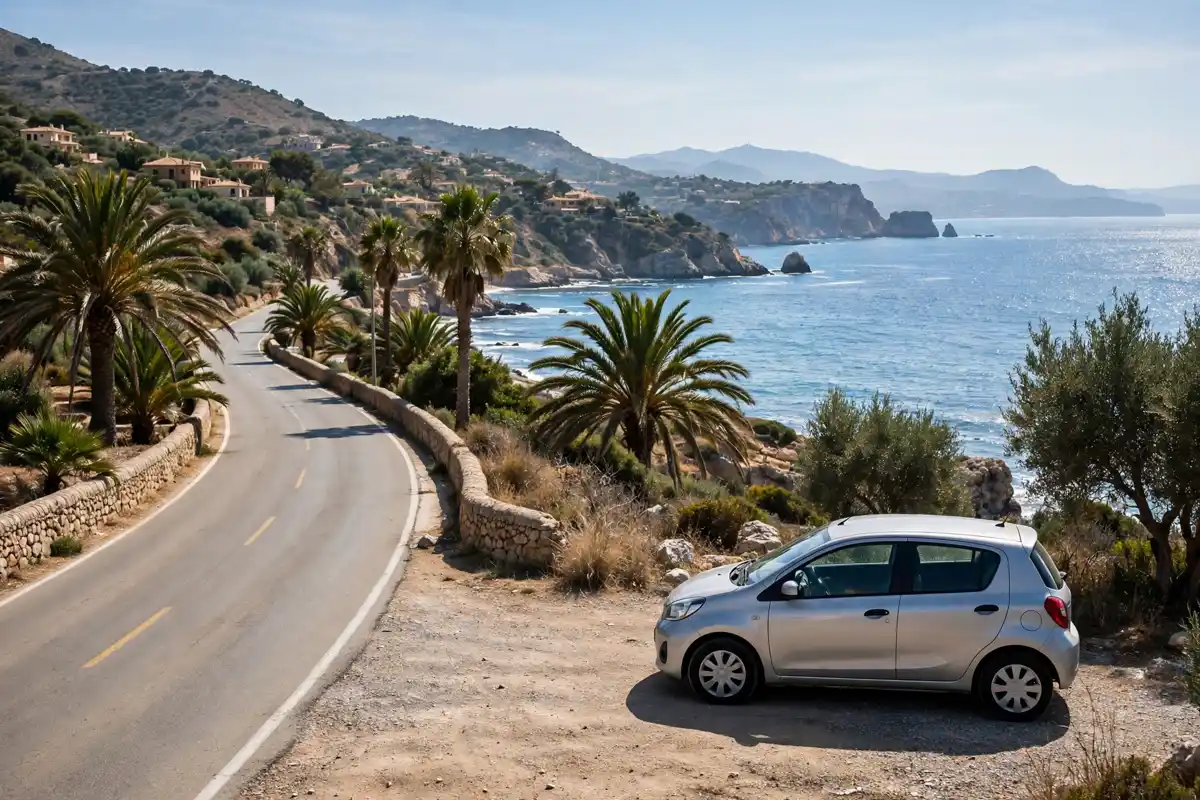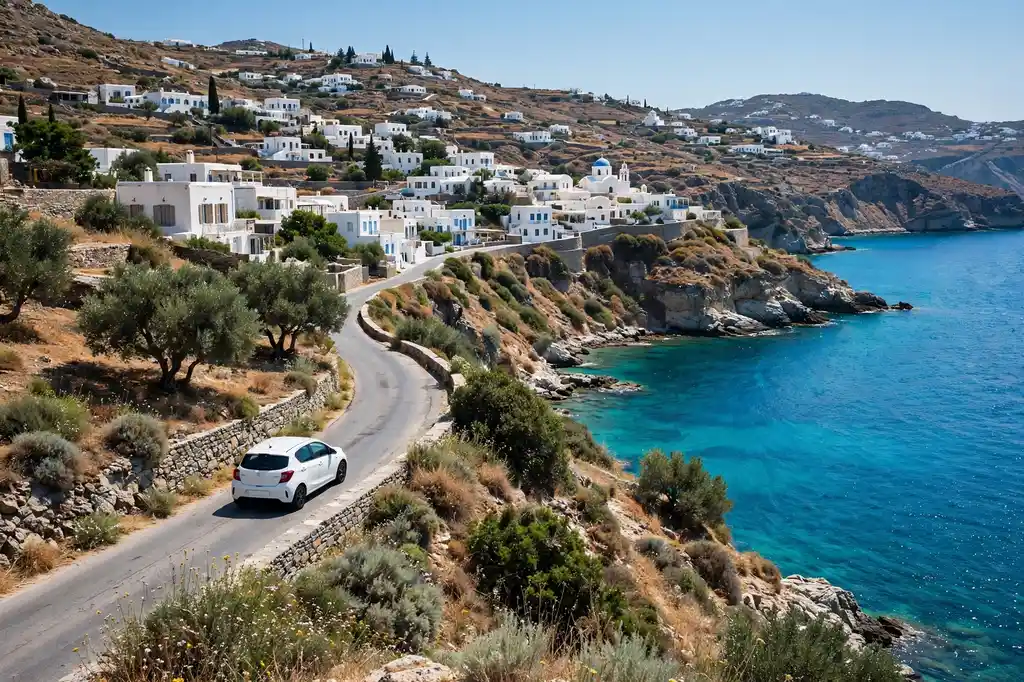
Hiring a car is often the difference between a good Greek holiday and a great one. Buses and ferries will get you between the famous sights, but car rental in Greece gives you the freedom to find the quiet beaches, mountain villages and family-run tavernas that never appear on a tour itinerary. The process is straightforward for UK travellers, yet Greek rentals come with a few local quirks — island ferry rules, toll roads and deposit policies among them — that are worth understanding before you book.
This guide walks through everything you need: the documents required, how airport pickups work, what driving on the mainland and the islands is really like, and how to avoid the extra charges that catch visitors out. If you are comparing Mediterranean destinations, our guides to car rental in Cyprus and car rental in Slovenia cover two very different but equally rewarding road trips.
What You Need for Car Rental in Greece
UK visitors can drive in Greece on a full UK photocard driving licence for short stays, and you should carry the licence with you whenever you are behind the wheel. Rental companies also ask for your passport and a payment card in the main driver’s name for the security deposit. Most firms set a minimum age in the early twenties and expect the driver to have held a licence for at least a year, with young-driver and senior-driver fees sometimes applied at the edges of the age range. Rules differ between companies, so check the terms of the specific booking rather than assuming the policy that applied to your last hire. Our general guide to what you need to get a rental car runs through the standard document checklist in more detail.
Before you travel, it is also sensible to confirm the current government advice for driving in Greece, since document requirements can change. Allow a few extra minutes at the rental desk: contracts are usually provided in English, but reading the fuel policy, mileage terms and excess amount carefully at pickup is far easier than disputing them on return.
Picking Up at the Airport and in Town
Athens International Airport and the larger island airports — Heraklion and Chania on Crete, Rhodes, Corfu, Thessaloniki and others — host desks from the major international brands alongside local Greek companies that are often highly competitive. Airport pickup is convenient after a flight, but town and resort offices can be cheaper and sometimes more flexible on pickup times. Our airport car rental guide explains how on-airport and shuttle-bus locations differ, and why the distinction matters for both price and convenience.
Wherever you collect the car, inspect it slowly and in good light. Photograph every panel, the wheels and the windscreen, and make sure existing marks are recorded on the rental agreement before you drive away. Note the fuel gauge and the cleanliness charges in the terms. Greek summers are busy, and a careful five-minute check at pickup is the simplest protection against a disputed damage claim at drop-off.
Driving in Greece: Motorways, Mountains and Ferries
Greece drives on the right, and main roads between cities are generally modern, with tolled motorways linking Athens, Thessaloniki and the Peloponnese. Tolls are paid at booths along the route, so keep some euros or a card handy. Away from the motorways, expect narrower mountain roads with sharp bends, especially in the Peloponnese, Crete’s interior and the smaller islands. Speeds drop quickly once you leave the main network, and journey times on a map rarely reflect the winding reality — build slack into your plans rather than racing to a ferry.
The ferry question matters more in Greece than almost anywhere else in Europe. Many rental agreements do not allow the car to be taken on a ferry at all, or permit it only with written approval and an extra fee, because the standard insurance may not cover the vehicle at sea or on a different island. If your itinerary involves hopping from Athens to the Cyclades or touring two islands with one car, raise it at booking, not at the port. In many cases, hiring separately on each island is simpler and no more expensive.
Insurance, Deposits and Fuel Policies
Greek rentals normally include basic third-party cover and collision damage waiver, but the excess — the amount you pay towards damage — can be substantial. Desks will offer an additional policy to reduce or remove that excess; whether it is worth it depends on your appetite for risk and the length of the trip. A sizeable hold is commonly placed on the main driver’s credit card as a deposit, so travel with a card that has enough available credit. If you would rather not rely on a credit card, our guide to renting a car without a credit card sets out the alternatives and their limits.
Fuel policies vary. Full-to-full, where you return the car with the same level you collected, is usually the fairest arrangement. Some low headline prices hide prepaid fuel deals that charge a premium for a tank you may not use. Check which policy applies before confirming, photograph the gauge at pickup and return, and keep the final fuel receipt if you refuel near the airport.
Saving Money and Avoiding Extra Charges
Prices in Greece swing sharply with the seasons: the same car can cost several times more in August than in May. Booking ahead for peak months, collecting away from the airport and comparing local firms against the international brands all help. Smaller cars are cheaper to hire, cheaper on fuel and far easier to park in old town centres and island villages where spaces are tight. Extras such as additional drivers, child seats and sat nav hire add up quickly, so bring what you can and add only what you genuinely need.
Finally, plan your route with tolls and parking in mind, return the car on time — Greek firms can be strict about late returns in high season — and keep the signed return inspection slip. Drivers planning a wider European tour may also enjoy our guide to car rental in Portugal, another country where a hire car transforms the trip. With the paperwork understood and the ferry rules checked, car rental in Greece is one of the easiest upgrades you can give a Greek holiday.