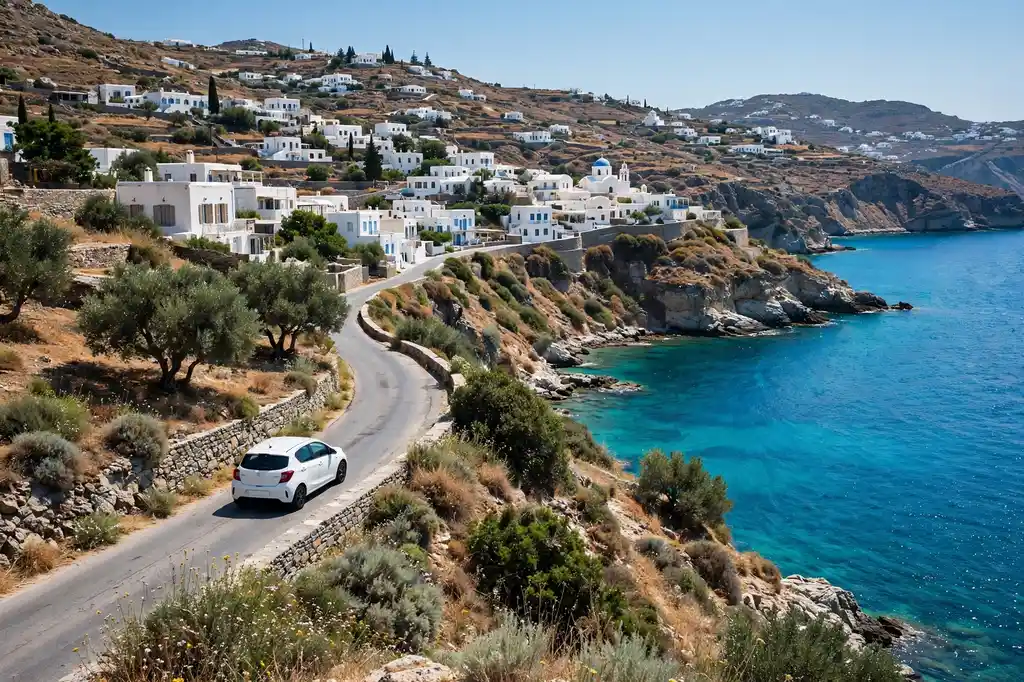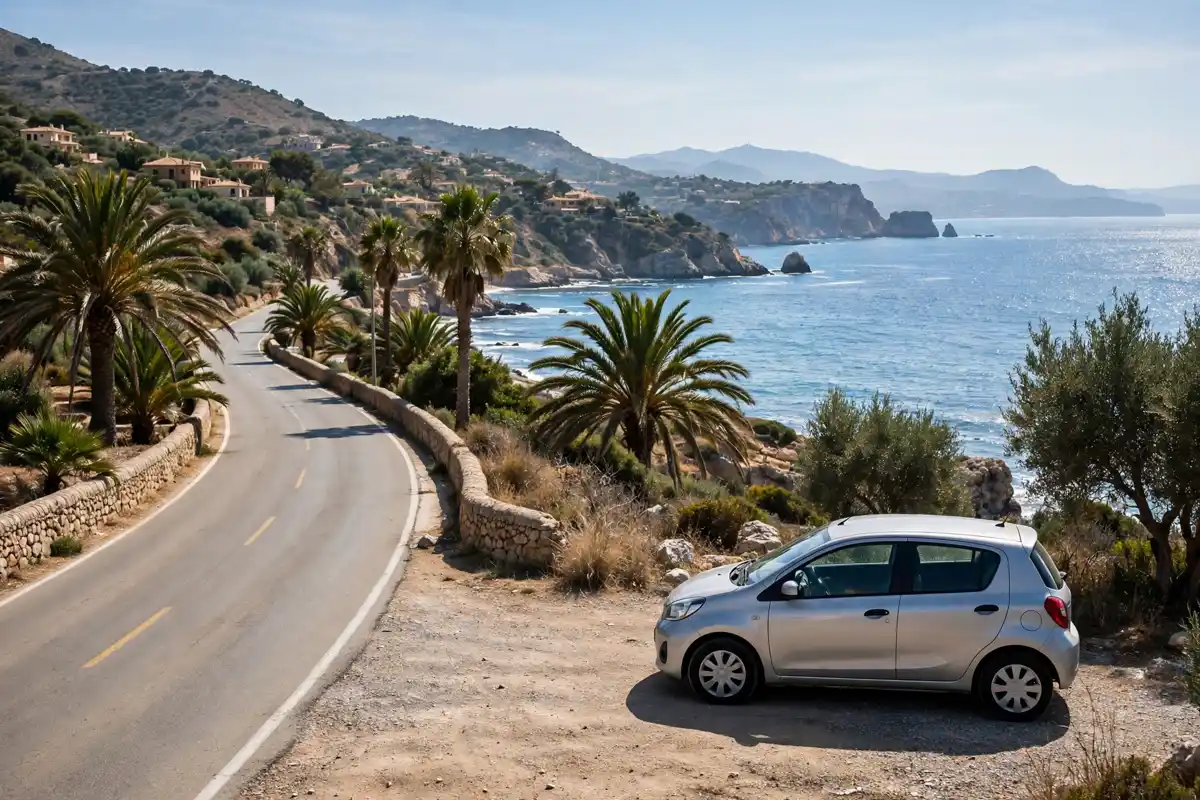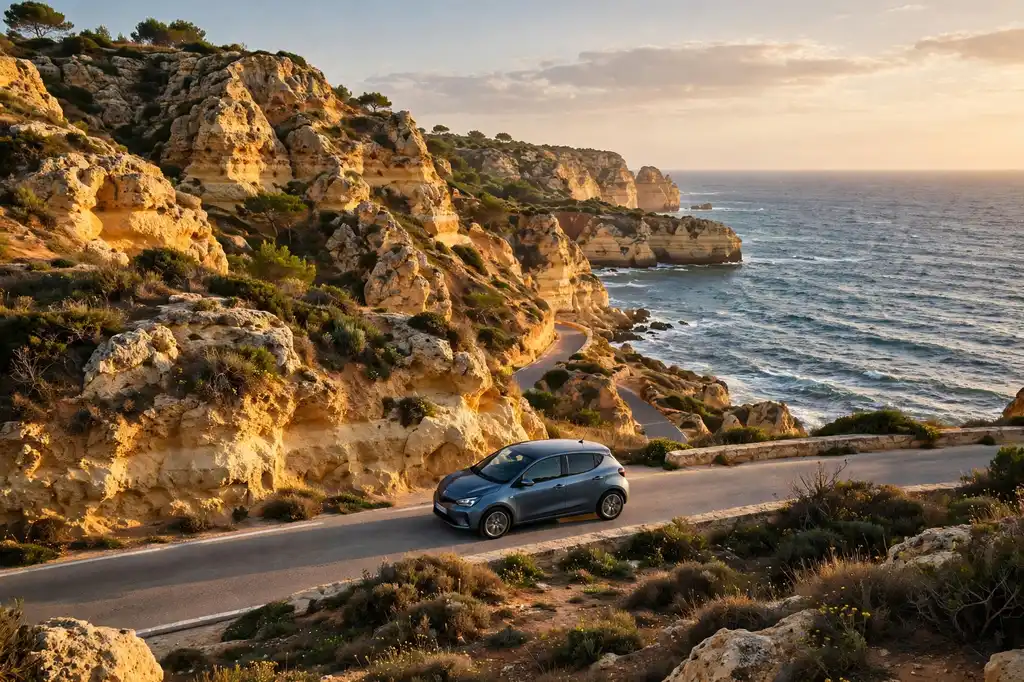
Portugal rewards travellers who get behind the wheel. Trains link the big cities, but the Algarve’s hidden coves, the Douro Valley’s terraced vineyards and the Alentejo’s whitewashed villages are all far easier to reach with your own car. Car rental in Portugal is simple for UK visitors and usually good value outside peak season, but one feature surprises almost every first-time renter: the electronic toll system. Understanding that, plus the usual questions of licences, deposits and insurance, will make your Portuguese road trip run smoothly from the first day.
This guide covers what you need to hire, how the tolls work, where driving adds the most to a trip, and how to keep costs under control. If you are planning a broader European tour, our guides to car rental in Italy and car rental in Greece make useful companion reading.
What You Need for Car Rental in Portugal
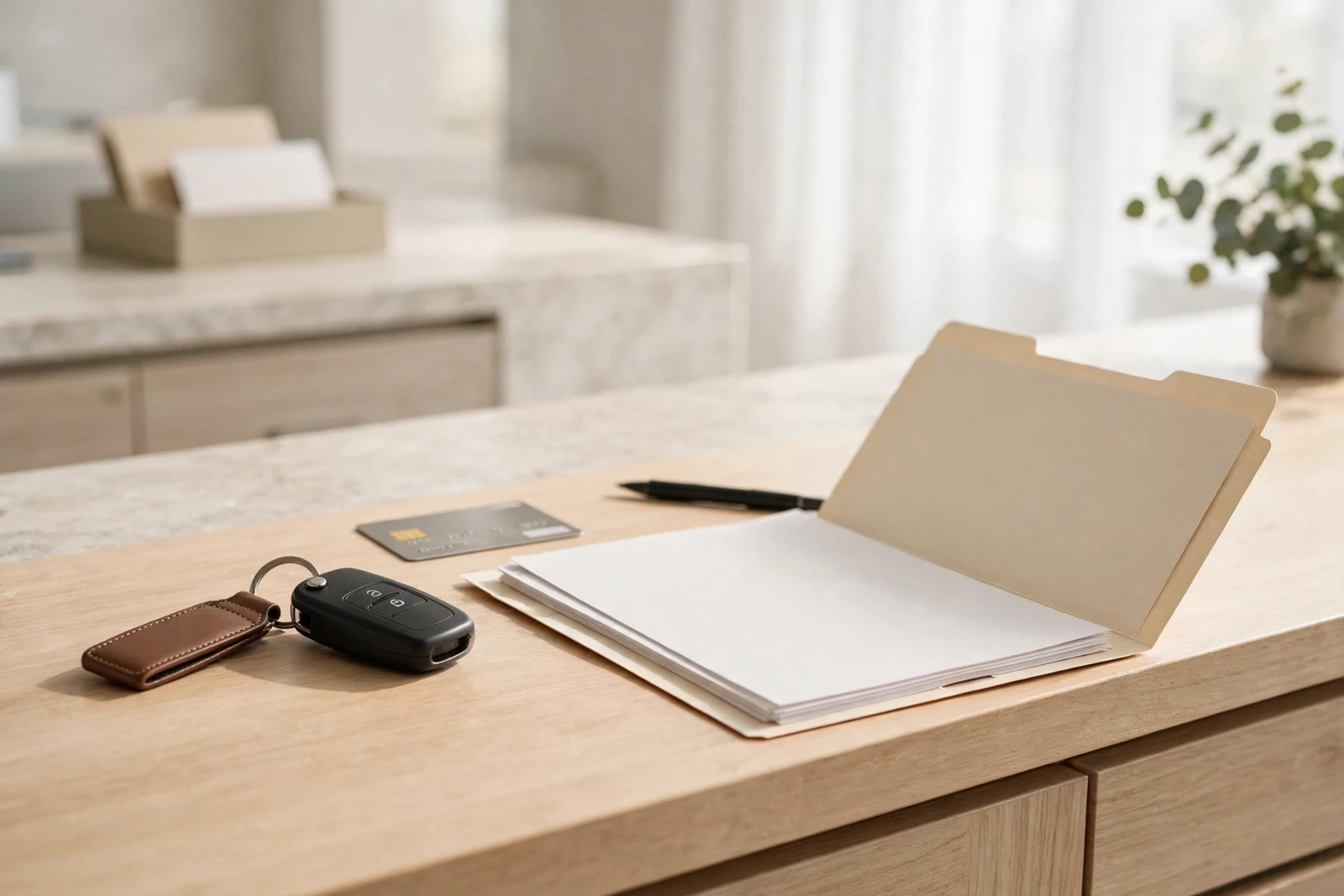
UK travellers can drive in Portugal on a full UK photocard driving licence for short visits. Carry your licence and passport when driving, and expect the rental company to require a payment card in the main driver’s name for the deposit. Minimum ages and licence-holding periods vary by company and car group, and younger drivers commonly pay a surcharge. As with any destination, the exact terms sit in the booking conditions, so read them before you pay rather than at the desk. Our overview of what you need to get a rental car covers the usual document checklist step by step.
Portugal drives on the right, seatbelts are compulsory, and children must use appropriate restraints. Keep the rental agreement and the company’s emergency number in the car; if anything goes wrong, from a warning light to a puncture, the contract sets out exactly who to call and what is covered.
The Electronic Toll System, Explained
Many Portuguese motorways — particularly in the Algarve and the north — use fully electronic tolls with no booths and no option to pay in cash as you pass. Cameras record the number plate, and the charge must be settled afterwards. For visitors, the practical answer is the transponder fitted by most rental companies: a small device, often linked to the Via Verde system, that logs each toll and adds the total to your rental bill along with a small administration fee. Confirm at pickup whether the device is fitted and activated, because driving an untracked car through electronic tolls creates fines that eventually find their way back to the renter.
If you are touring widely, ask the desk to explain how toll charges will appear on your final invoice, and keep your own rough note of motorway days. Drivers who prefer to avoid tolls altogether will find Portugal’s national roads slower but scenic, threading through towns the motorways bypass — a perfectly reasonable trade on a relaxed itinerary.
Where a Car Adds Most: Lisbon, the Algarve and the North
Lisbon itself is best explored on foot and by tram, and parking in the old centre is scarce and pricey; many travellers collect the car as they leave the city. From the capital, day trips to Sintra, Cascais and the surf beaches of Ericeira become easy, and the drive south over the Vasco da Gama bridge opens up the Alentejo and the Algarve. Down south, a car links the resort towns with the quieter western coast around Sagres and the cliff-backed beaches that buses barely serve.
In the north, Porto is a fine base for the Douro Valley, where the riverside road winds between wine estates, and for the Minho’s green hills and historic towns such as Guimarães and Braga. Mountain driving in the Serra da Estrela demands care in winter, and coastal routes everywhere reward an unhurried pace. Wherever you collect — airport desks at Lisbon, Porto and Faro are the busiest — our airport car rental guide explains how to make pickup day painless.
One habit worth adopting early is planning where the car will sleep. Historic centres in Lisbon, Porto and the Algarve’s old towns were built long before cars, and streets can be narrow with limited parking; many hotels offer a nearby garage for a nightly fee, which is usually worth paying. Blue-zone and metered parking is common in towns, and resident-only zones are enforced, so check signs before leaving the car. A little forethought at the end of each day saves the fines and frustration that can sour an otherwise easy trip.
Insurance, Deposits and Excess
Portuguese rentals include basic cover, but the excess on damage can be high, and desks will offer additional cover to reduce it. A deposit hold on the main driver’s credit card is standard, so make sure the card has sufficient headroom for the hold plus your holiday spending. Travellers who prefer not to use a credit card should read our guide to renting a car without a credit card before booking, as debit-card policies are stricter and deposits larger.
At pickup, photograph the car thoroughly — panels, wheels, glass and interior — and have every mark noted on the agreement. Check the fuel policy too: full-to-full is the arrangement most travellers find fairest. On return, get the car signed off as inspected where possible, and keep the paperwork until the final card statement arrives, including any toll charges billed later.
Tips for a Smooth and Affordable Rental
Book early for summer, when Algarve prices climb steeply, and consider collecting in town rather than at the airport if the saving is meaningful. A compact car suits Portugal well: it is cheaper to hire and run, and far easier to thread through village streets and into tight car parks. Adding a second driver, a child seat or a sat nav all raise the price, so weigh each extra honestly. If your plans include crossing into Spain, ask first — many companies allow it with notice, some charge for the privilege, and cover can change at the border.
Drivers combining Portugal with other Mediterranean stops will find our car rental in Cyprus guide a handy comparison, since Cyprus drives on the left like home. With the toll transponder sorted and the paperwork checked, car rental in Portugal opens up a country that is compact in size but remarkably varied — and most of it lies well beyond the reach of the tour bus.