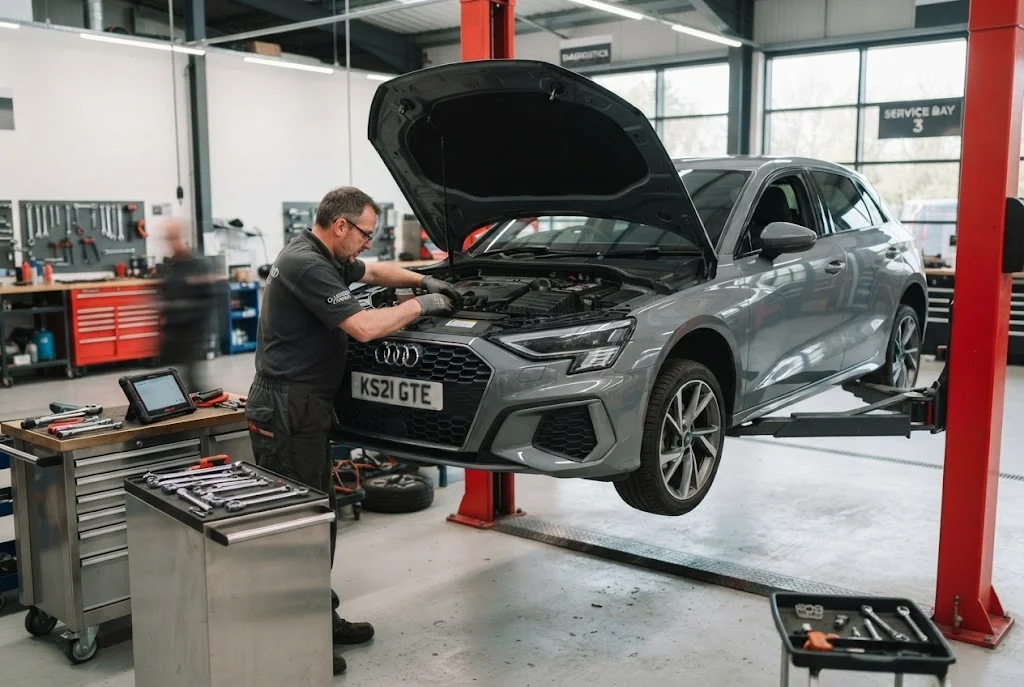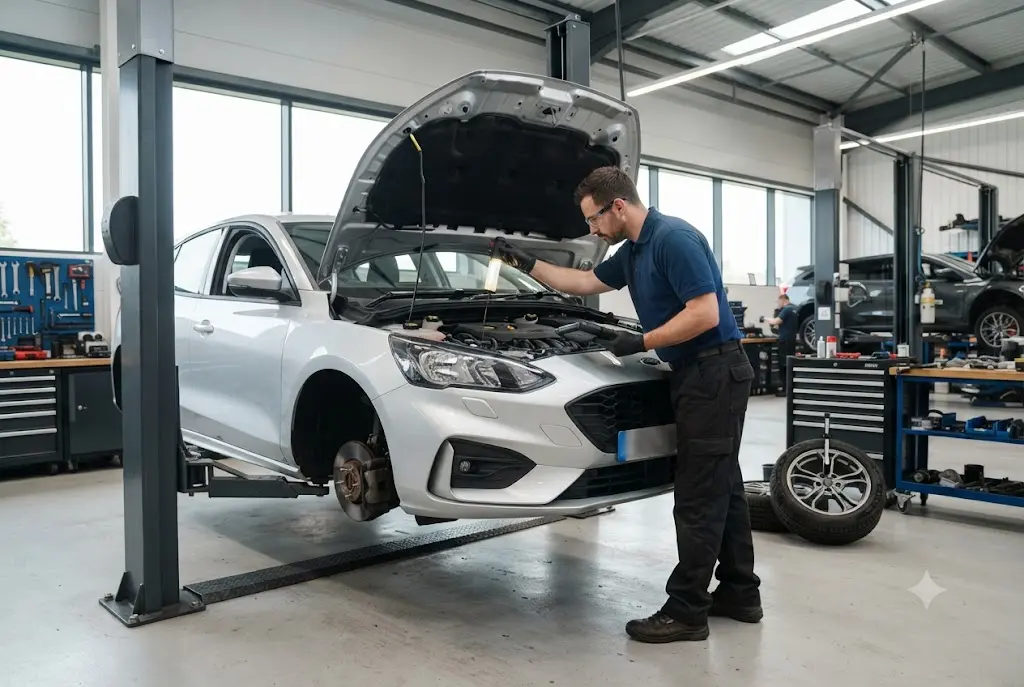
A professional car service checklist ensures your vehicle receives more than just an oil change. During a routine service, trained technicians inspect dozens of components that affect your car’s safety, reliability, and performance. Following a structured checklist helps identify worn parts before they become expensive repairs and keeps your vehicle running efficiently throughout the year.
Whether you’re booking your first annual service or comparing garage packages, understanding what should be inspected allows you to make informed decisions and ensures you’re getting value for money.
Why a Car Service Checklist Matters
Routine servicing isn’t just about maintaining your vehicle—it’s about preventing unexpected breakdowns and extending the lifespan of key mechanical components.
A comprehensive full service inspection helps:
- Improve road safety
- Maintain engine performance
- Increase fuel efficiency
- Reduce long-term repair costs
- Support higher resale value
- Identify developing mechanical faults early
Most reputable UK garages follow manufacturer servicing schedules while also carrying out additional visual inspections where necessary.
Engine Oil and Oil Filter
One of the most important items on any car service checklist is replacing the engine oil and oil filter.
Fresh oil lubricates moving engine parts, reduces friction, removes contaminants, and helps prevent overheating. The oil filter traps dirt and debris, preventing them from circulating through the engine.
Ignoring oil changes can lead to premature engine wear and costly repairs.
Air Filter Inspection
The engine air filter prevents dust and debris from entering the engine.
During servicing, technicians inspect the filter and replace it if necessary. A clean air filter improves:
- Engine performance
- Fuel economy
- Throttle response
- Engine longevity
Cabin (Pollen) Filter
The cabin filter removes dust, pollen, and airborne particles before air enters the vehicle’s interior.
A blocked filter can reduce airflow from the heating and air conditioning system while affecting cabin air quality.
Brake Inspection
The brakes are one of the most critical safety systems on any vehicle.
During a full service inspection, mechanics typically check:
- Brake pads
- Brake discs
- Brake calipers
- Brake pipes
- Brake fluid level
- Overall braking performance
Replacing worn brake components promptly helps maintain safe stopping distances.
Tyres
Your tyres are the only part of the vehicle that remains in direct contact with the road.
A service should include checks for:
- Tread depth
- Correct tyre pressure
- Uneven wear patterns
- Sidewall damage
- Embedded objects or punctures
Correctly maintained tyres improve handling, braking, and fuel efficiency.
Coolant System
The engine coolant prevents overheating during normal driving while protecting the cooling system from corrosion.
Technicians inspect:
- Coolant level
- Condition of the coolant
- Radiator hoses
- Cooling system leaks
Low coolant levels or leaks should always be investigated immediately.
Battery Health
The battery is tested to ensure it can reliably start the engine and support the vehicle’s electrical systems.
Technicians normally inspect:
- Battery voltage
- Charging performance
- Terminal corrosion
- Battery condition
Steering and Suspension
Steering and suspension components play a vital role in vehicle stability and comfort.
During servicing, mechanics inspect:
- Shock absorbers
- Suspension bushes
- Ball joints
- Steering joints
- Track rod ends
Any excessive wear can negatively affect handling and tyre wear.
Lights and Electrical Systems
All exterior and interior lights should be checked, including:
- Headlights
- Brake lights
- Indicators
- Fog lights
- Reverse lights
- Dashboard warning lights
Technicians also verify that electrical systems are functioning correctly.
Fluid Levels
In addition to engine oil, a proper service includes checking and topping up essential fluids such as:
- Brake fluid
- Power steering fluid (where applicable)
- Transmission fluid (visual inspection where appropriate)
- Windscreen washer fluid
- Coolant
Belts and Hoses
Drive belts and coolant hoses naturally wear over time.
A service inspection includes checking for:
- Cracks
- Leaks
- Fraying
- Loose fittings
Replacing deteriorating components early can prevent roadside breakdowns.
Road Test
Many garages perform a short road test after completing servicing to confirm the vehicle operates correctly.
This may include checking:
- Steering response
- Brake performance
- Gear changes
- Suspension operation
- Warning lights
How This Checklist Fits Different Service Types
Not every service includes every inspection. Interim services focus mainly on essential maintenance, while full and major services include increasingly detailed inspections.
If you’re unsure which package suits your vehicle, read our guide on full car service vs major service.
How Often Should These Checks Be Performed?
Most vehicles should receive a comprehensive service every 12 months or according to the manufacturer’s recommended mileage interval.
High-mileage drivers may also benefit from an interim service between annual inspections.
For more information, see our article on how often should you service your car.
Final Thoughts
A thorough car service checklist covers far more than replacing engine oil. From inspecting brakes, tyres, and coolant to checking filters, steering, suspension, and electrical systems, every inspection contributes to safer and more reliable driving.
Booking regular servicing with a trusted garage and ensuring these essential checks are completed will help protect your investment and reduce the likelihood of unexpected mechanical failures.