Choosing the right type of vehicle maintenance can be confusing, especially if you’re unsure about the difference between an interim, full, and major service. Understanding full car service vs major service helps you maintain your vehicle properly, avoid unnecessary repairs, and ensure you’re not paying for work you don’t need.
Although garages may use slightly different service packages, most UK service centres follow a similar structure. In this guide, we’ll explain what each service includes, when you should book one, and how to decide which option is best for your vehicle.
Understanding Full Car Service vs Major Service
The biggest difference between a full car service and a major service is the depth of inspection and the number of components replaced.
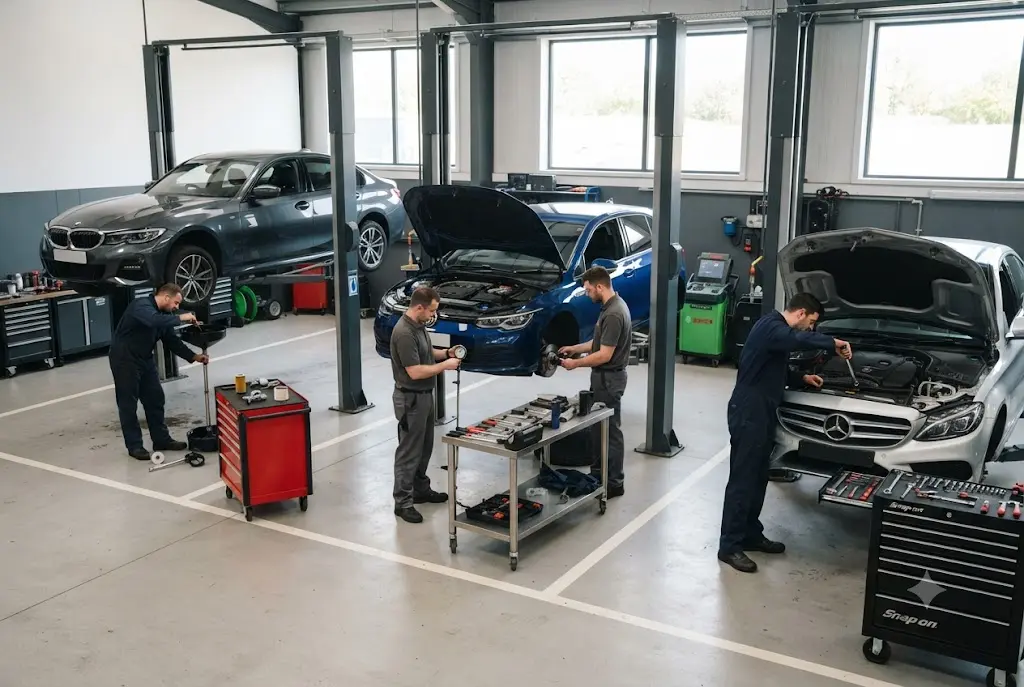
A full service is a comprehensive annual maintenance inspection designed to keep your vehicle in good working order. A major service includes everything in a full service but adds more extensive maintenance, replacing additional wear-and-tear components that require attention after longer intervals.
An interim service, meanwhile, is a lighter inspection intended for drivers who cover high annual mileage between full services.
What Is an Interim Service?
An interim service is typically recommended every 6 months or around 6,000 miles, although exact intervals vary by manufacturer.
It focuses on essential maintenance items to keep the vehicle safe and reliable between annual services.
A Typical Interim Service Includes:
- Engine oil replacement
- Oil filter replacement
- Brake inspection
- Tyre condition and pressure check
- Fluid level inspection
- Battery check
- Lights and electrical inspection
- Windscreen washer top-up
Interim servicing is particularly beneficial for motorists who regularly commute long distances or use their vehicles for business purposes.
What Does a Full Car Service Include?
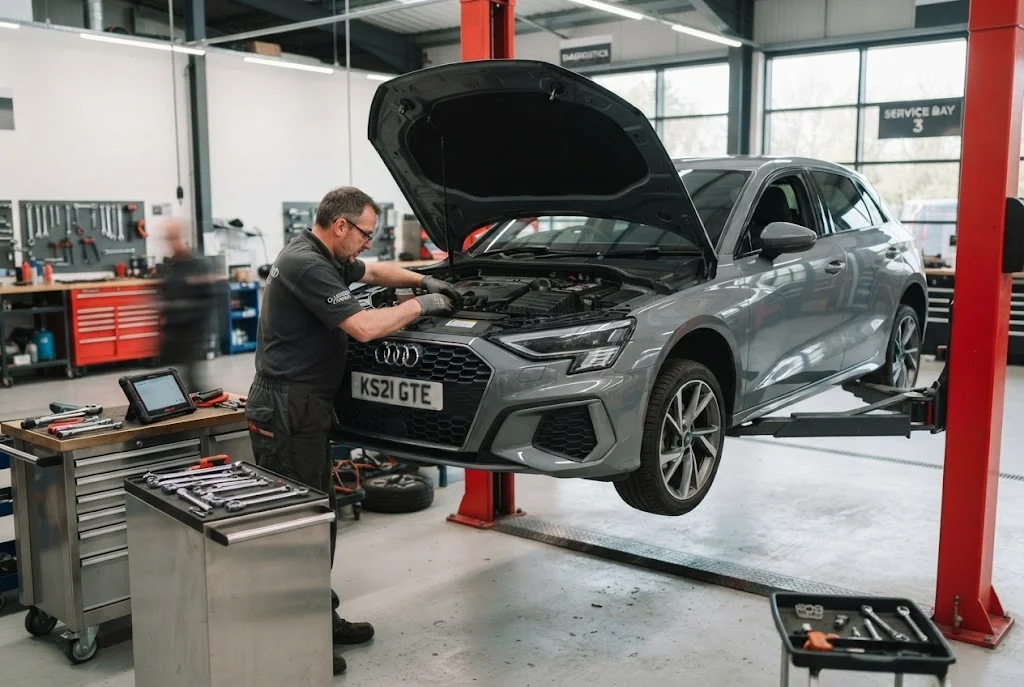
A full service is the most common annual maintenance package offered by UK garages. It covers a much wider range of inspections than an interim service and helps identify problems before they become expensive repairs.
A Full Service Normally Includes:
- Engine oil and oil filter replacement
- Air filter inspection or replacement
- Cabin pollen filter inspection
- Brake system inspection
- Suspension and steering checks
- Tyre inspection
- Coolant inspection
- Brake fluid check
- Battery health test
- Drive belt inspection
- Lighting and electrical system checks
- Visual inspection of the engine bay
For a more detailed breakdown, see our guide on what is a full car service.
What Is a Major Service?
A major service is the most comprehensive routine maintenance package available. It includes every inspection carried out during a full service while replacing additional components that naturally wear over time.
Major servicing is generally recommended every two years or around 24,000 miles, although manufacturers may specify different service intervals.
A Major Service Usually Includes:
- Everything included in a full service
- Replacement of spark plugs (petrol vehicles)
- Fuel filter replacement where applicable
- Air filter replacement
- Cabin filter replacement
- Brake fluid replacement if scheduled
- Comprehensive inspection of suspension components
- Additional engine checks
- Detailed underbody inspection
Because more parts are replaced, a major service naturally costs more than both interim and full servicing.
Comparison: Interim Service vs Full Service vs Major Service
Interim Service
- Every 6 months or 6,000 miles
- Basic safety inspection
- Oil and filter replacement
- Suitable for high-mileage drivers
Full Service
- Every 12 months or approximately 12,000 miles
- Comprehensive maintenance inspection
- Ideal for most UK motorists
Major Service
- Every 24 months or approximately 24,000 miles
- Most extensive maintenance package
- Includes additional replacement parts
- Best for long-term vehicle reliability
Which Service Do You Need?
Your choice depends on several factors:
- Vehicle age
- Annual mileage
- Manufacturer recommendations
- Driving conditions
- Previous service history
If your car has recently received a full annual service but you drive thousands of miles each month, an interim service may be sufficient until your next scheduled maintenance.
If it’s been two years since your previous comprehensive inspection, a major service is usually the better choice.
Why Following Service Intervals Matters
Ignoring recommended service intervals can lead to:
- Poor fuel economy
- Premature engine wear
- Brake problems
- Reduced vehicle reliability
- Unexpected breakdowns
- Lower resale value
Routine maintenance is considerably cheaper than repairing damage caused by neglected servicing.
Can a Major Service Replace a Full Service?
Yes. Because a major service includes everything found in a full service, it effectively replaces it when scheduled.
Many drivers alternate between:
- Year 1 – Full Service
- Year 2 – Major Service
- Year 3 – Full Service
- Year 4 – Major Service
However, always follow your vehicle manufacturer’s recommended maintenance schedule where possible.
How Much More Does a Major Service Cost?
Major servicing costs more because additional components are replaced and labour time is longer. However, it often represents good value because replacing consumable parts at the recommended intervals helps prevent more expensive repairs later.
For a detailed pricing guide, read our article on full car service cost UK.
Should You Use a Dealer or Independent Garage?
Both franchised dealers and reputable independent garages can perform interim, full, and major services to a high standard.
If you’re unsure which is right for your circumstances, our guide to dealer vs independent garage explains the advantages and potential drawbacks of each option.
Final Thoughts
Understanding the differences between full car service vs major service makes it easier to choose the right maintenance package for your vehicle. Interim services help keep high-mileage vehicles in good condition between annual visits, full services provide comprehensive yearly maintenance, while major services deliver the most thorough inspection and replacement of essential components.
Following the correct servicing schedule improves reliability, protects your investment, and helps keep your vehicle running safely for years to come.