One of the most common questions UK motorists ask is how often should you service your car. Regular servicing is essential for keeping your vehicle safe, reliable, and fuel-efficient, yet many drivers are unsure whether they should book a service every year, after a certain mileage, or only when a warning light appears.
The simple answer is that most manufacturers recommend servicing your vehicle every 12 months or after a specified mileage, whichever comes first. However, the ideal servicing schedule depends on your driving habits, vehicle age, and manufacturer recommendations.
How Often Should You Service Your Car?
For most vehicles on UK roads, a service should be carried out every 12 months or around 12,000 miles, whichever occurs first. Some manufacturers recommend shorter or longer intervals, so it’s always worth checking your owner’s handbook.
If you regularly drive long distances, tow trailers, or frequently travel in heavy traffic, your car may benefit from more frequent maintenance.
Annual Car Service vs Mileage Service
Servicing schedules are usually based on two factors:
- Time (annual servicing)
- Mileage (distance travelled)
This means your vehicle should be serviced when either limit is reached, even if the other hasn’t been met.
Annual Car Service
If you drive relatively few miles each year, you should still book an annual car service. Engine oil degrades over time, fluids absorb moisture, and rubber components naturally deteriorate, even when the vehicle isn’t driven regularly.
Mileage Service
Drivers who cover high annual mileage may reach the manufacturer’s recommended mileage limit before twelve months have passed. In this case, servicing should be completed based on mileage rather than waiting for the annual date.
Typical Service Intervals
Although every manufacturer has its own maintenance schedule, a typical UK servicing programme looks like this:
- Every 6 months or 6,000 miles: Interim service (recommended for high-mileage drivers)
- Every 12 months or 12,000 miles: Full service
- Every 24 months or 24,000 miles: Major service
Following the correct service interval helps reduce wear and keeps your vehicle running efficiently.
Factors That Affect Servicing Frequency
Not every vehicle requires the same maintenance schedule. Several factors influence how often your car should be serviced.
Driving Style
Frequent short journeys, stop-start city traffic, and aggressive driving increase wear on your engine, brakes, and battery.
Annual Mileage
The more miles you drive, the more frequently components such as tyres, brakes, filters, and engine oil require attention.
Vehicle Age
Older vehicles often benefit from more regular inspections because components naturally wear over time.
Driving Conditions
Vehicles driven on rough roads, in heavy traffic, or while towing may require maintenance sooner than those used mainly on motorways.
What Happens During a Car Service?
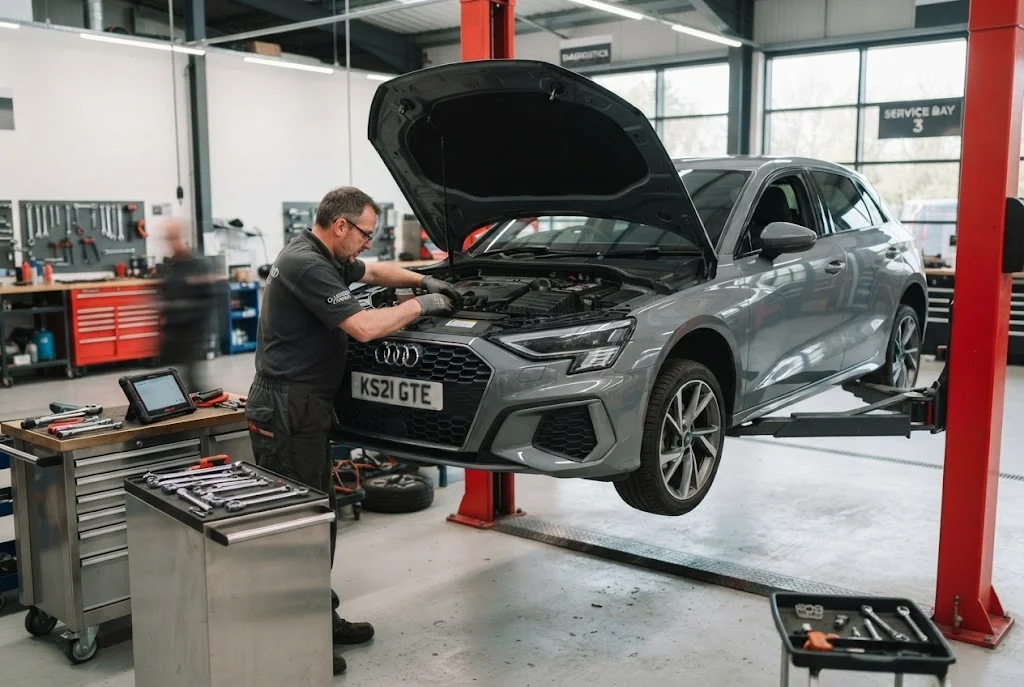
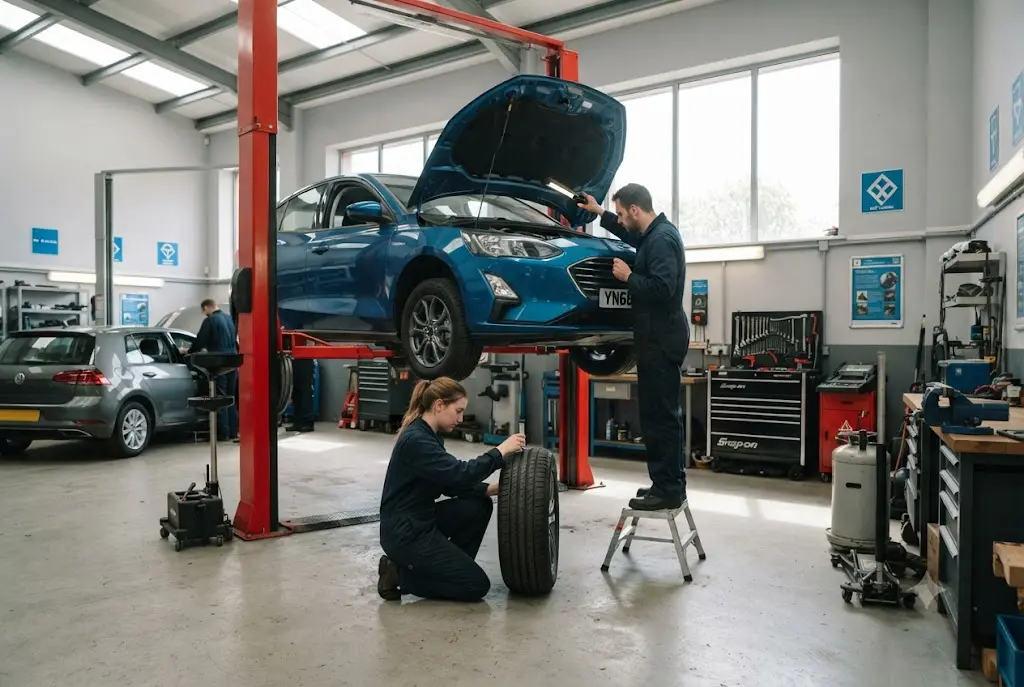
During a routine service, technicians inspect and maintain many important vehicle components, including:
- Engine oil and oil filter
- Air filter
- Cabin filter
- Brake system
- Tyres
- Battery
- Steering and suspension
- Fluid levels
- Lights and electrical systems
If you’re unsure exactly what’s included, our guide on what is a full car service explains the process in detail.
Signs Your Car Needs Servicing Sooner
Even if you haven’t reached your next scheduled service, you shouldn’t ignore warning signs such as:
- Dashboard warning lights
- Poor fuel economy
- Difficulty starting the engine
- Unusual noises
- Brake vibration
- Steering problems
- Fluid leaks
- Burning smells
Prompt attention can often prevent minor issues from developing into expensive repairs.
Can You Skip a Service?
Skipping a service might save money in the short term, but it often leads to greater costs later. Delayed maintenance increases the risk of:
- Engine wear
- Brake deterioration
- Poor fuel economy
- Unexpected breakdowns
- Reduced resale value
Vehicles with a complete service history are generally more attractive to future buyers.
Service vs MOT
Many drivers mistakenly believe an MOT replaces regular servicing, but they serve different purposes.
An MOT is a legal roadworthiness inspection, while servicing is preventative maintenance designed to keep your vehicle operating efficiently.
Learn more in our guide to MOT vs car service.
Choosing the Right Garage
Whether you choose a franchised dealership or a reputable independent garage, ensure they provide:
- Qualified technicians
- Transparent pricing
- Clear service checklists
- Quality replacement parts
- Written inspection reports
If you’re comparing providers, our article on dealer vs independent garage can help you decide.
How Regular Servicing Saves Money
Routine maintenance is one of the most effective ways to reduce long-term ownership costs. Replacing oil, filters, and worn components at the correct intervals is significantly less expensive than repairing major engine or transmission damage caused by neglected servicing.
If you’re planning your maintenance budget, see our guide on full car service cost UK.
Final Thoughts
Knowing how often should you service your car helps you protect your vehicle, improve safety, and reduce unexpected repair costs. For most UK drivers, following the manufacturer’s recommended annual car service or service interval is the best approach.
Regular servicing not only keeps your vehicle performing at its best but also provides peace of mind every time you drive.