

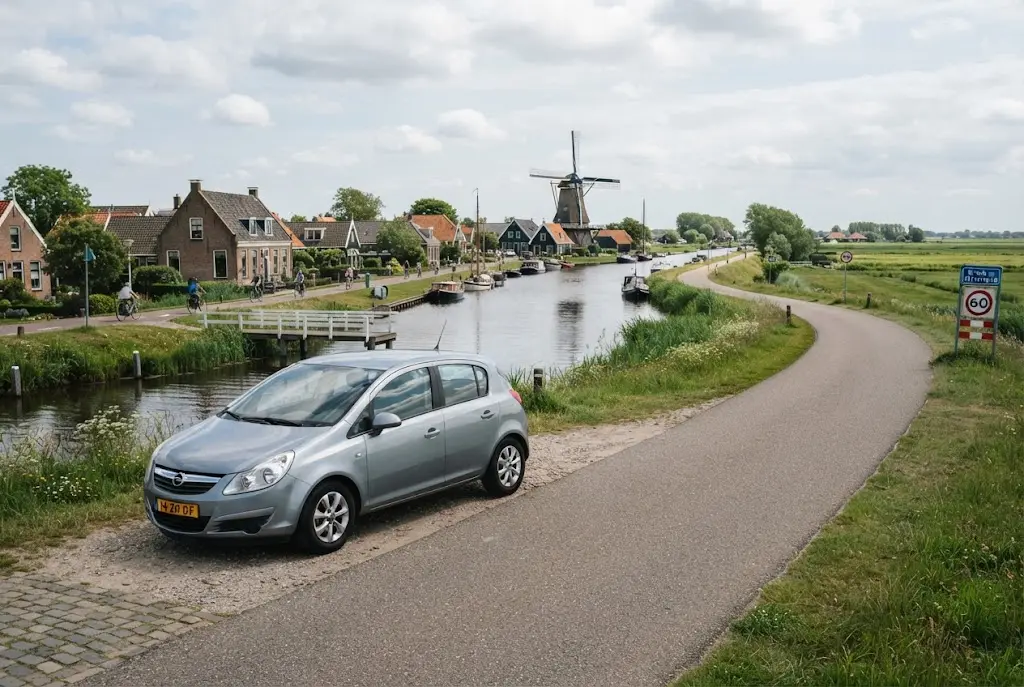
Choosing car rental Netherlands services can make it easier to explore beyond the country’s major cities, particularly if your itinerary includes several destinations or smaller towns. While Amsterdam, Rotterdam and other urban areas have extensive public transport, a rental car can provide greater flexibility for countryside trips, coastal drives and journeys between different parts of the country.
However, renting a car in the Netherlands is not simply about choosing the cheapest daily rate. Vehicle size, insurance, parking, collection location, driving rules and your planned route can all affect the overall experience. Whether you are arranging a Dutch car rental for a holiday or looking for a convenient way to travel between destinations, understanding the basics before collecting the vehicle can help you plan with greater confidence.
Why Consider Car Rental Netherlands Services?
A rental car can be particularly useful when your trip extends beyond the main tourist centres. You can create your own itinerary instead of arranging every journey around train and bus timetables, and you can carry luggage more conveniently between accommodation locations.
Driving also gives travellers the opportunity to combine different types of destinations in one trip. For example, an itinerary could include Amsterdam followed by smaller towns, coastal areas or countryside attractions. A car can be especially practical when several people are travelling together and the cost of the vehicle is shared.
On the other hand, a rental car is not always necessary for a city break. Central Amsterdam and other major Dutch cities can be busy, and parking may require additional planning. If most of your itinerary is concentrated in a city centre, compare the convenience of public transport with the total cost of keeping a rental vehicle.
How to Choose a Dutch Car Rental
When comparing rental companies, look beyond the headline price. A low advertised rate may not represent the final amount once insurance options, additional drivers, deposits, fuel arrangements or other charges are included.
Start by considering the size of vehicle you actually need. A compact car can be easier to manoeuvre and park, while a larger vehicle may make sense for a family travelling with substantial luggage. If your journey includes long motorway drives, comfort and luggage capacity may be more important than choosing the smallest available model.
It is also worth checking the rental conditions before booking. Pay attention to the required driving licence, minimum driver age, deposit, fuel policy, mileage conditions and procedures for returning the vehicle outside normal opening hours.
Rent a Car Netherlands: What to Check Before Collection
Before you rent a car Netherlands travellers should review the booking documents carefully. Make sure the name on the reservation matches the driver’s identification and that you have the documents required by the rental company.
Inspect the vehicle before driving away. Check the exterior for existing damage and make sure any significant marks are recorded according to the rental company’s procedure. It is also sensible to familiarise yourself with the lights, controls, navigation system and fuel type before leaving the collection location.
If you are unfamiliar with Dutch roads, allow yourself a few minutes to understand the vehicle’s controls before starting the journey. This is particularly useful when collecting a car after a long flight.
Driving in the Netherlands: Rules Travellers Should Know
The Netherlands has a well-developed road network, but visitors should understand that Dutch traffic has some features that may differ from the road environment they are accustomed to. Official Dutch guidance states that drivers should drive on the right and overtake on the left. It also highlights the importance of priority rules involving cyclists, pedestrians, buses and trams.
Cyclists are an especially important part of the Dutch traffic environment. Cycle paths and crossings can appear throughout urban and residential areas, so drivers should pay close attention to road markings, signs and surrounding traffic.
Phone use also requires care. Dutch government guidance states that drivers may not hold a mobile phone, navigation device, tablet or similar device while driving. Hands-free use is permitted.
Before travelling, check the current official road regulations and signs if you are unfamiliar with driving in the Netherlands. The Dutch government provides English-language guidance covering traffic signs and regulations.
Amsterdam Car Rental or Public Transport?
Amsterdam is one of the destinations where travellers should think carefully about whether they need a vehicle for the entire stay. If your accommodation and attractions are concentrated around the city centre, a rental car may spend much of the day parked rather than being used.
For travellers planning a wider itinerary, however, Amsterdam car rental can become more useful. You can collect a vehicle when leaving the city and continue towards other destinations without having to return to a central transport hub for every journey.
This makes it useful to separate the city portion of your trip from the driving portion. For example, you could explore Amsterdam first and arrange a rental vehicle for the days when you plan to travel farther afield. This approach can reduce unnecessary parking costs while still providing flexibility for longer journeys.
Schiphol Airport Car Rental: Is It Convenient?
For international visitors arriving by air, Schiphol Airport Car Rental can be a convenient starting point for a road trip. Collecting the vehicle at or around the airport can allow travellers to continue directly to their next destination rather than travelling into central Amsterdam first.
Before booking, compare the airport collection terms with other available locations. The most convenient collection point is not automatically the cheapest, and the final price can depend on the rental period, vehicle category and booking conditions.
If you are arriving after a long flight, remember to allow enough time for baggage collection, paperwork and vehicle inspection. It is better to avoid planning an extremely tight schedule immediately after collecting the car.
Parking When You Rent a Car in Holland
Parking should be part of your itinerary rather than an afterthought. In busy city centres, available spaces can be limited and parking may be expensive. Check the parking arrangements at your hotel or accommodation before arriving.
For city visits, consider using designated car parks or park-and-ride facilities where appropriate. You can then continue into the city using public transport instead of spending time searching for a central parking space.
Outside major cities, parking arrangements can vary considerably by destination. Always pay attention to local signs and restrictions, particularly in residential areas and places where pedestrian or cycling traffic is prominent.
Can You Take a Rental Car Across Borders?
If you plan to combine the Netherlands with another European country, check the rental company’s cross-border policy before booking. The Dutch government states that a hire car rented in an EU member state can generally be driven within the EU, but additional conditions apply when travelling between an EU member state and a country outside the EU. The government specifically advises contacting the car hire company when you intend to leave or enter the EU.
Do not assume that every rental agreement automatically provides the same cross-border permissions. Tell the rental company about your intended route and confirm whether any notification, documentation, insurance or additional charges apply.
How to Keep Car Hire Netherlands Costs Under Control
Comparing the daily rental price is only the first step. To understand the real cost of a trip, consider the complete rental package.
- Compare similar vehicle categories rather than comparing different car sizes.
- Check what insurance and excess arrangements are included.
- Review the fuel policy before confirming the booking.
- Check whether additional drivers incur a charge.
- Consider the deposit and payment requirements.
- Plan parking costs in cities before collecting the car.
- Check mileage restrictions and rental duration.
- Confirm the company’s rules for late returns or out-of-hours collection.
A slightly higher base rate can sometimes represent better value if it includes features you would otherwise need to purchase separately. The important point is to compare like-for-like rental conditions.
When Is Car Hire Netherlands Most Useful?
Car hire can make the most sense when your itinerary includes multiple destinations, rural areas or locations where public transport connections are less convenient. It can also be practical for families and groups carrying luggage between several accommodation locations.
For a short urban holiday, however, you may find that renting only for selected days is more practical. Think about where you will actually drive rather than assuming that having a car for the entire trip is necessary.
The best rental plan therefore depends on your itinerary. A traveller spending several days in Amsterdam may have different requirements from someone planning a multi-destination road trip across the Netherlands.
Final Tips for a Dutch Car Rental
A successful Dutch car rental starts with choosing the right vehicle and understanding the rental agreement before you arrive. Once you collect the car, take time to inspect it, familiarise yourself with the controls and review your route before setting off.
Most importantly, treat cycling infrastructure, priority rules and parking restrictions as essential parts of your driving plan. Official Dutch traffic guidance is a useful reference for visitors who want to understand the local road environment before travelling.
Whether you are planning a short journey from Amsterdam, an airport pickup or a longer European road trip, car rental Netherlands can give you the flexibility to build an itinerary around your own schedule. The key is to match the rental period and vehicle to your actual travel plans rather than simply choosing the first low-priced option you find.
