Small cars are popular across the UK because they’re affordable to buy, economical to run, and ideal for city driving. However, lower running costs don’t mean maintenance should be overlooked. Regular small car services help keep your vehicle safe, efficient, and reliable while reducing the risk of expensive repairs.
Whether you drive a Vauxhall Corsa, Ford Fiesta, Volkswagen Polo, Toyota Aygo, Hyundai i10, Kia Picanto, or another compact model, understanding what servicing includes can help you budget for maintenance and keep your vehicle performing at its best.
What Are Small Car Services?
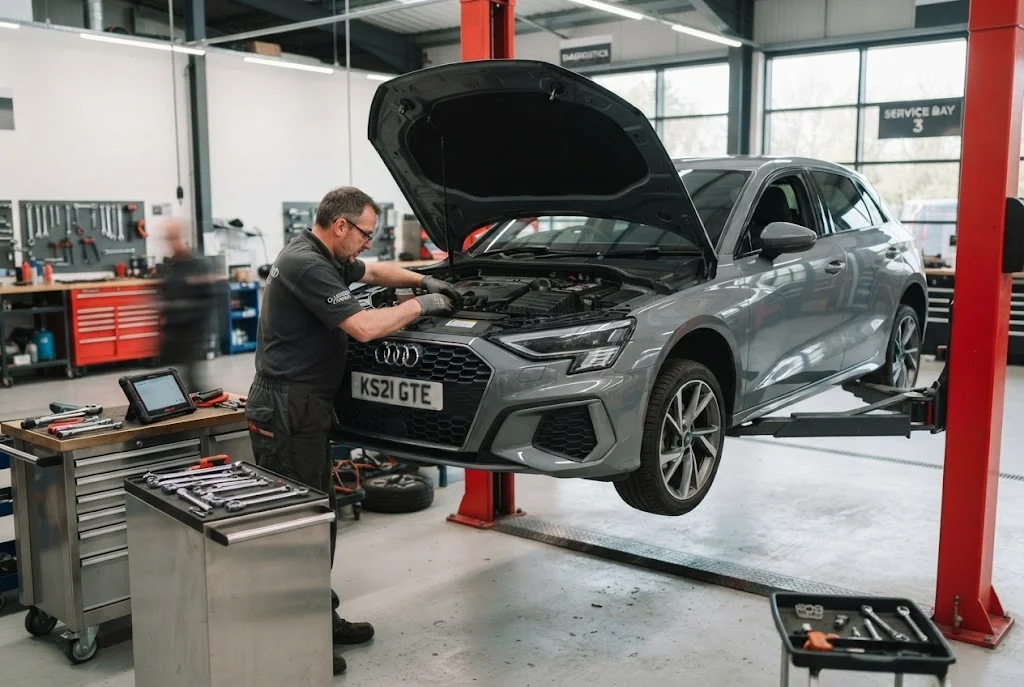
Small car services are routine maintenance inspections designed for compact vehicles. The work carried out is similar to servicing larger cars, but smaller engines and fewer components can sometimes result in lower labour and parts costs.
Most UK garages offer three main servicing options:
- Interim service
- Full service
- Major service
The right option depends on your vehicle’s age, mileage, manufacturer recommendations, and previous service history.
What Does a Small Car Service Include?
Although every garage has its own checklist, a professional service typically covers the following maintenance tasks.
Engine Oil and Oil Filter Replacement
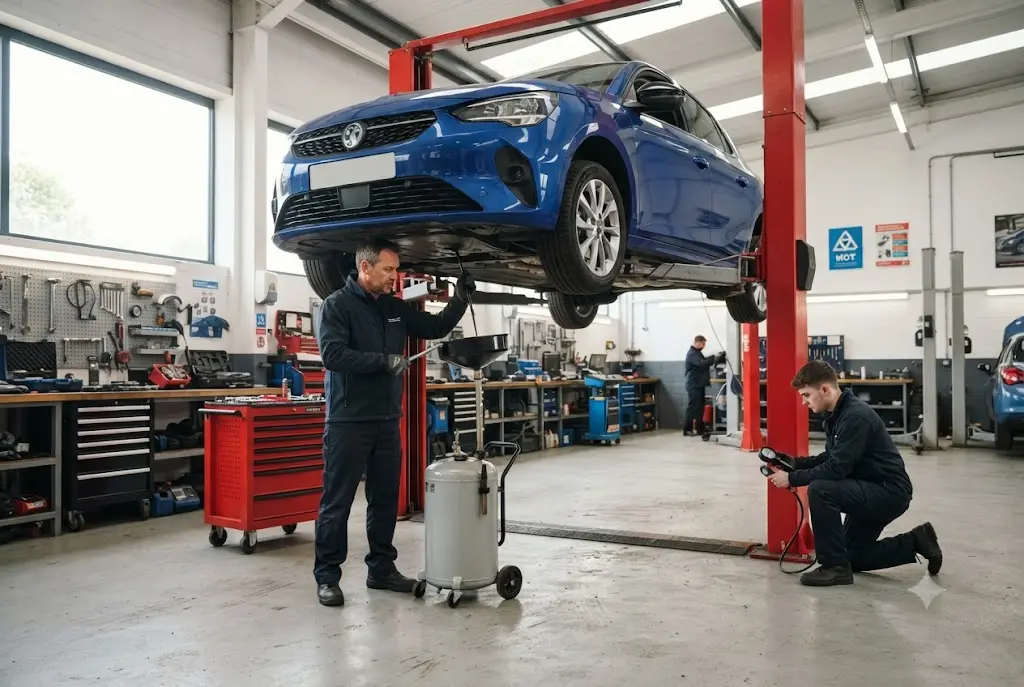
Fresh engine oil lubricates moving parts, reduces wear, and helps maintain engine efficiency. The oil filter is usually replaced at the same time to remove contaminants.
Air Filter Inspection
The engine air filter is checked and replaced if necessary to ensure proper airflow and fuel efficiency.
Cabin (Pollen) Filter
This filter improves the quality of air entering the cabin while helping the heating and air conditioning systems operate efficiently.
Brake Inspection
Technicians inspect:
- Brake pads
- Brake discs
- Brake fluid
- Brake pipes
- Overall braking performance
Tyre Inspection
Your tyres are checked for:
- Correct tread depth
- Tyre pressure
- Uneven wear
- Damage or punctures
Battery Check
The battery is tested to ensure it charges correctly and is capable of reliable starting.
Fluid Checks
Mechanics inspect and top up fluids where necessary, including:
- Coolant
- Brake fluid
- Power steering fluid (where applicable)
- Windscreen washer fluid
Steering and Suspension
Critical steering and suspension components are inspected for excessive wear or damage that could affect handling and safety.
How Much Do Small Car Services Cost in the UK?
The cost of small car services depends on several factors, including your location, the garage you choose, your vehicle model, and the type of service required.
Generally, servicing a compact hatchback is less expensive than servicing larger SUVs, executive cars, or performance vehicles because they often require fewer consumables and less labour time.
Costs can also vary between franchised dealerships and independent garages. Before booking, request a written quotation that clearly explains what is included.
For a more detailed breakdown of pricing across different service types, read our guide on full car service cost UK.
How Often Should a Small Car Be Serviced?
Most manufacturers recommend servicing once every 12 months or after approximately 12,000 miles, whichever comes first.
However, vehicles used mainly for short urban journeys may benefit from more frequent maintenance because stop-start driving places additional strain on the engine, battery, and braking system.
For more information, see our article on how often should you service your car.
Benefits of Regular Small Car Maintenance
Keeping up with small car maintenance offers several important advantages.
- Improved fuel economy
- Better engine performance
- Reduced risk of unexpected breakdowns
- Longer engine life
- Improved road safety
- Lower long-term repair costs
- Higher resale value
- A complete service history
Routine servicing is one of the most cost-effective ways to protect your investment.
Dealer or Independent Garage?
Many owners wonder whether it’s better to visit a manufacturer dealership or an independent garage.
Franchised dealers often have model-specific diagnostic equipment and manufacturer-trained technicians, while reputable independent garages can provide excellent service at competitive prices.
If you’re weighing your options, our guide on dealer vs independent garage explains the advantages of each.
Signs Your Small Car Needs Servicing
Don’t wait until your scheduled service if you notice any of the following:
- Dashboard warning lights
- Poor fuel economy
- Difficulty starting
- Unusual engine noises
- Brake vibration
- Steering problems
- Fluid leaks
- Excessive exhaust smoke
Addressing these issues early can help prevent more expensive mechanical repairs.
What Happens During a Major Service?
If your vehicle has reached the manufacturer’s recommended mileage or service interval, a major service may be required instead of a standard annual service.
Major servicing includes additional replacement parts, such as spark plugs and filters, alongside more detailed inspections.
To understand the differences, read our guide on full car service vs major service.
Choosing the Right Service Package
The best servicing package depends on:
- Your annual mileage
- Vehicle age
- Driving conditions
- Previous maintenance history
- Manufacturer recommendations
If you drive relatively few miles each year, an annual full service is usually sufficient. High-mileage drivers may also benefit from an interim service between annual visits.
Final Thoughts
Regular small car services are essential for maintaining safety, reliability, and fuel efficiency. Although compact vehicles often cost less to maintain than larger models, routine servicing remains one of the most important parts of responsible vehicle ownership.
Following the recommended maintenance schedule, choosing a trusted garage, and addressing minor issues promptly can help keep your small car running smoothly for many years while reducing long-term repair costs.