

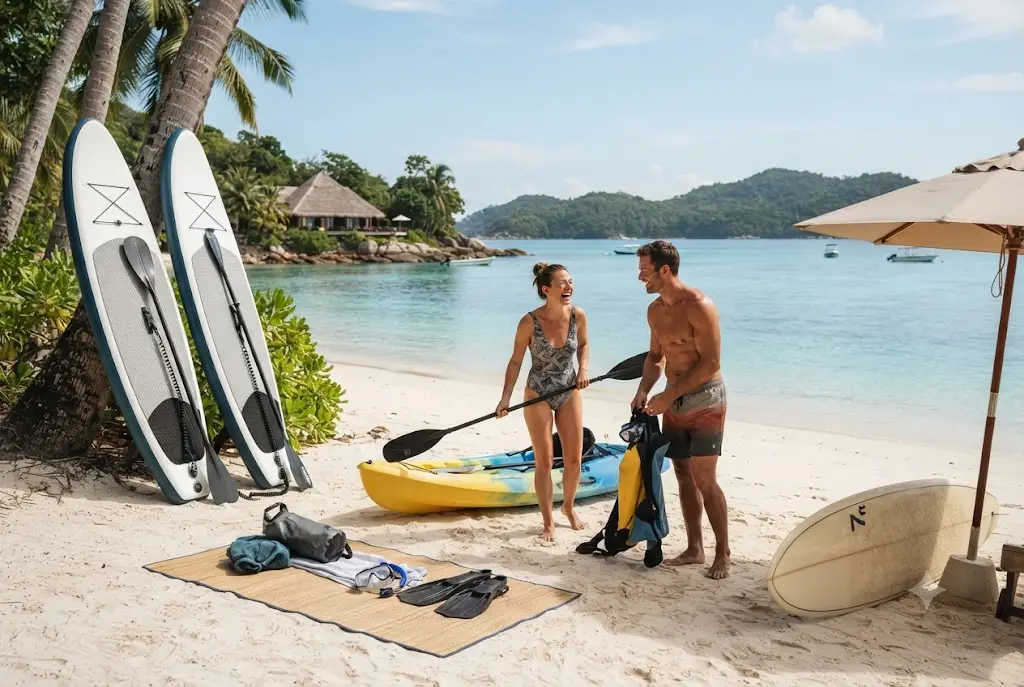
If you’re planning an adventure holiday, choosing travel insurance including water sports is just as important as booking your flights and accommodation. Standard travel insurance policies often exclude adventure activities, leaving travellers responsible for expensive medical bills, emergency rescue costs, or damaged equipment.
Whether you’re paddleboarding in Cornwall, jet skiing in Greece, snorkelling in Egypt, or surfing in Portugal, having the right level of cover provides valuable financial protection and peace of mind. This guide explains what water sports travel insurance covers, what exclusions to look for, and how UK travellers can choose the most suitable policy.
Why You Need Travel Insurance Including Water Sports
Many standard travel insurance policies only cover low-risk leisure activities. Once your holiday includes water sports, insurers may require additional adventure activity cover.
Water-based activities naturally carry increased risks such as injuries, accidents, changing weather conditions, equipment failure, or emergency evacuation from remote coastal areas. Medical treatment abroad can be expensive, particularly outside Europe.
Specialist water sports cover helps reduce these financial risks by extending protection beyond a standard travel insurance policy.
What Does Water Sports Holiday Insurance Usually Cover?
Every insurer differs, but comprehensive water sports holiday insurance commonly includes:
- Emergency overseas medical expenses
- Emergency evacuation and rescue costs
- Hospital treatment
- Emergency medical repatriation to the UK
- Trip cancellation due to illness or injury
- Trip interruption
- Personal liability cover
- Lost, stolen or damaged baggage
- Delayed travel compensation
Some specialist insurers also provide cover for hired sports equipment or personal equipment depending on the policy selected.
Which Water Sports Are Usually Covered?
The exact list depends on the insurer, but policies commonly include activities such as:
- Swimming
- Snorkelling
- Surfing
- Bodyboarding
- Stand-up paddleboarding
- Kayaking
- Canoeing
- Windsurfing
- Sailing
- Jet skiing (often optional)
- Wakeboarding
- Kitesurfing (specialist policies)
- Scuba diving (subject to depth limits)
Higher-risk activities may require an adventure sports extension or specialist policy.
Activities That May Require Additional Cover
Some activities are considered higher risk and may not be included automatically. These can include:
- Parasailing
- Powerboat racing
- Freediving
- Professional competitions
- Cliff diving
- Hydrofoiling
- High-speed towing sports
Always read the policy wording before travelling.
Common Exclusions
Even comprehensive policies contain exclusions. Claims may be refused if:
- You participate under the influence of alcohol or drugs.
- You ignore local safety advice.
- You take part without required qualifications.
- You compete professionally when only recreational cover is included.
- You travel against medical advice.
- You use unsafe or unauthorised equipment.
Understanding these exclusions before departure can prevent unexpected claim issues.
Medical Cover Is One of the Most Important Benefits
Medical expenses overseas can quickly become significant. Emergency treatment, ambulance transport, surgery, and hospital stays may cost thousands of pounds depending on the destination.
Good travel insurance including water sports should provide sufficient medical expense limits alongside emergency evacuation and repatriation.
UK travellers visiting Europe should also carry a valid UK Global Health Insurance Card (GHIC). However, the GHIC is not a replacement for comprehensive travel insurance.
How to Choose the Right Policy
When comparing policies, consider:
- The exact activities you plan to undertake.
- Destination country.
- Maximum medical expense limit.
- Personal liability cover.
- Equipment cover.
- Cancellation protection.
- Emergency assistance availability.
- Age restrictions.
- Existing medical conditions.
Choosing the cheapest policy is not always the best option if important activities are excluded.
Single Trip vs Annual Multi-Trip Cover
If you take one adventure holiday each year, a single-trip policy may offer the best value.
However, frequent travellers who enjoy water sports on several holidays often benefit from annual multi-trip insurance, provided all intended activities are covered.
Adventure Holidays Often Include Multiple Activities
Many active holidays involve more than one adventure sport. For example, someone visiting Croatia or New Zealand may enjoy kayaking, paddleboarding, rafting, and mountain biking during the same trip.
When planning similar adventures, it’s worth understanding specialist policies for activities such as canyoning travel insurance or white water rafting travel insurance, as these often require additional protection beyond standard water sports cover.
Tips Before You Travel
- Check exactly which activities are covered.
- Declare all medical conditions honestly.
- Carry emergency assistance numbers.
- Read policy exclusions carefully.
- Keep receipts for rented equipment.
- Follow local instructor guidance.
- Use approved safety equipment.
Final Thoughts
Choosing the right travel insurance including water sports helps protect both your finances and your holiday experience. While standard travel insurance may cover basic trips, active holidays often require additional protection for water-based activities.
Before buying a policy, compare cover levels carefully, understand the exclusions, and ensure every planned activity is included. Investing in the right insurance allows you to enjoy your holiday with greater confidence, knowing you’re protected if the unexpected happens.
