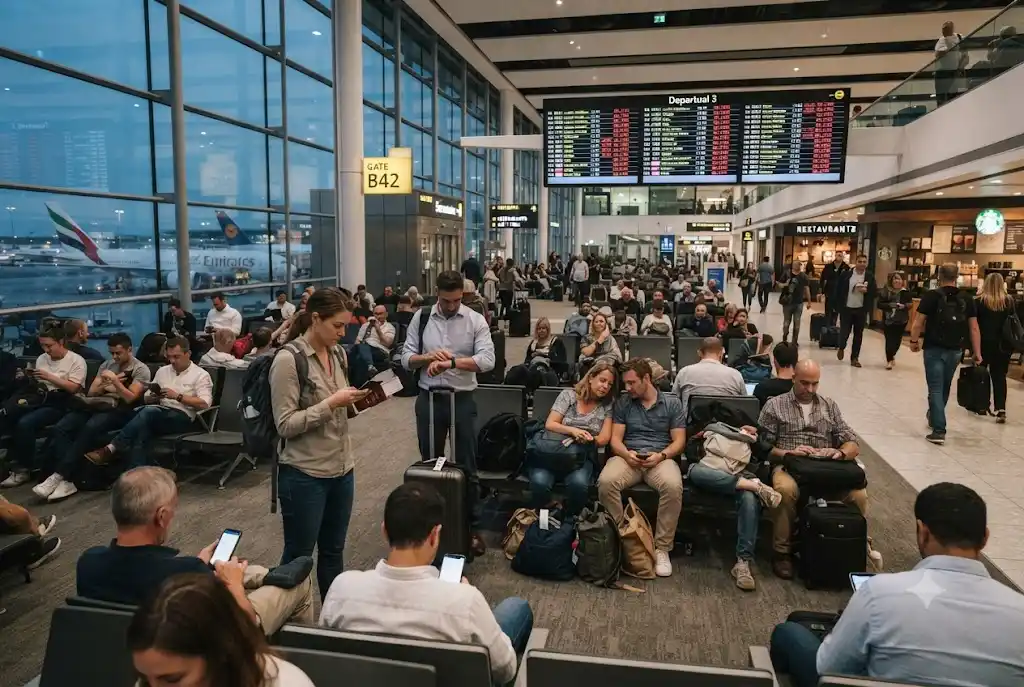
Flight disruptions can turn a carefully planned holiday into a stressful experience. Whether you’re travelling for business, a family break, or a long-awaited adventure, understanding travel insurance delayed flight cover can help you prepare for unexpected delays. Many travellers assume airlines will cover every inconvenience, but compensation rules and insurance benefits often differ depending on the circumstances.
In this guide, we’ll explain how travel insurance can help when your flight is delayed, what situations are usually covered, whether strikes are included, and how to choose a policy that provides meaningful protection.
What Is Travel Insurance Delayed Flight Cover?
Travel insurance delayed flight cover is a benefit included in many travel insurance policies that provides financial assistance when your departure is delayed beyond a specified period.
Most insurers require a minimum delay period before benefits apply. This is often between 4 and 12 hours, although the exact threshold varies by provider.
The purpose of delay cover is to help travellers manage unexpected expenses caused by waiting longer than planned for transportation.
What Does Travel Insurance Flight Delay Cover Include?
When reviewing a policy, it’s important to understand exactly what travel insurance flight delay protection includes.
Depending on the insurer, benefits may include:
- Fixed delay payments after a qualifying waiting period
- Meal and refreshment expenses
- Additional accommodation costs
- Transportation expenses caused by disruption
- Missed connection protection
- Abandonment cover for severe delays
Some insurers provide a predetermined payout for every additional delay period, while others reimburse specific costs supported by receipts.
How Long Must a Flight Be Delayed Before Cover Applies?
Every travel insurance provider sets its own qualifying delay period.
Common examples include:
- 4-hour delay
- 6-hour delay
- 8-hour delay
- 12-hour delay
Before purchasing insurance, check the policy wording carefully to understand when benefits begin and what evidence you must provide.
For travellers comparing broader policy options, understanding travel insurance excess can also help determine the overall value of a policy.
Can You Claim from Both the Airline and Travel Insurance?
In some situations, yes.
Airline obligations and travel insurance benefits are separate. Depending on the cause of the delay and applicable regulations, travellers may be eligible for airline compensation while also receiving insurance benefits.
For UK travellers, flight rights are governed by passenger protection regulations. The official guidance published by the UK Civil Aviation Authority explains when airlines must provide assistance or compensation.
However, insurers generally do not allow duplicate reimbursement for the same expense. If the airline covers a hotel stay, for example, you cannot normally claim the same cost again through your insurance policy.
Does Travel Insurance Cover Strikes?
One of the most common questions travellers ask is: does travel insurance cover strikes?
The answer depends on several factors, including when the strike became public knowledge and the wording of your policy.
Many travel insurance providers cover disruption caused by:
- Airline staff strikes
- Airport worker strikes
- Air traffic control industrial action
- Transport-related industrial disputes
However, cover typically applies only if the strike was unforeseen when the policy was purchased.
If industrial action was already announced before you bought insurance or booked your trip, insurers may refuse related claims.
Known Events vs Unexpected Events
Insurance is designed to protect against unforeseen risks.
If a strike is announced after you purchase your policy, your claim may be considered. If the strike was already widely known beforehand, insurers often classify it as a foreseeable event.
This distinction is one reason travellers should purchase insurance as early as possible after booking a trip.
What Is Abandonment Cover?
Some comprehensive policies include abandonment cover.
If a delay becomes so severe that continuing the journey no longer makes sense, abandonment cover may reimburse non-refundable travel and accommodation costs.
For example, if a flight delay causes you to miss a short weekend holiday entirely, abandonment protection may help recover prepaid expenses.
The qualifying delay period is usually much longer than standard delay benefits and may range from 12 to 24 hours or more.
What Evidence Do You Need for a Flight Delay Claim?
Making a successful claim often depends on proper documentation.
Most insurers require:
- Written confirmation from the airline
- Proof of delay duration
- Boarding passes
- Travel itinerary
- Receipts for additional expenses
- Insurance policy details
Keeping records during travel can significantly simplify the claims process.
Common Exclusions You Should Know About
Although delay cover can be valuable, every policy includes exclusions.
Common exclusions may include:
- Known strikes before purchase
- Voluntary flight changes
- Missed flights due to arriving late at the airport
- Insufficient supporting documentation
- Travel against government advisories
- Events specifically excluded by the insurer
Reading the policy wording carefully helps avoid unpleasant surprises when making a claim.
Choosing the Right Travel Insurance Policy
Not all travel insurance policies offer the same level of delay protection.
When comparing policies, consider:
- Delay waiting period
- Maximum benefit limits
- Strike cover provisions
- Missed connection benefits
- Abandonment protection
- Emergency assistance services
- Policy exclusions
Travellers planning multiple trips annually may also benefit from understanding can you have two travel insurance policies when evaluating overlapping coverage options.
Is Flight Delay Cover Worth It?
For many travellers, the answer is yes.
While no insurance policy can eliminate travel disruption, delay cover can reduce the financial impact of unexpected problems. Airport meals, overnight accommodation, missed connections, and abandoned trips can quickly become expensive.
A well-chosen travel insurance policy provides reassurance that you have support if plans change unexpectedly.
Final Thoughts
Understanding travel insurance delayed flight protection is an important part of travel planning. While airline passenger rights offer certain protections, travel insurance can provide additional financial support when delays create extra costs or disrupt your itinerary.
Before travelling, review your policy carefully, check delay thresholds, understand exclusions, and confirm whether strike-related disruption is covered. By preparing in advance, you’ll be better equipped to handle unexpected travel interruptions and continue your journey with greater confidence.