How Roadside Assistance Apps Are Changing the Way Drivers Handle Vehicle Breakdowns
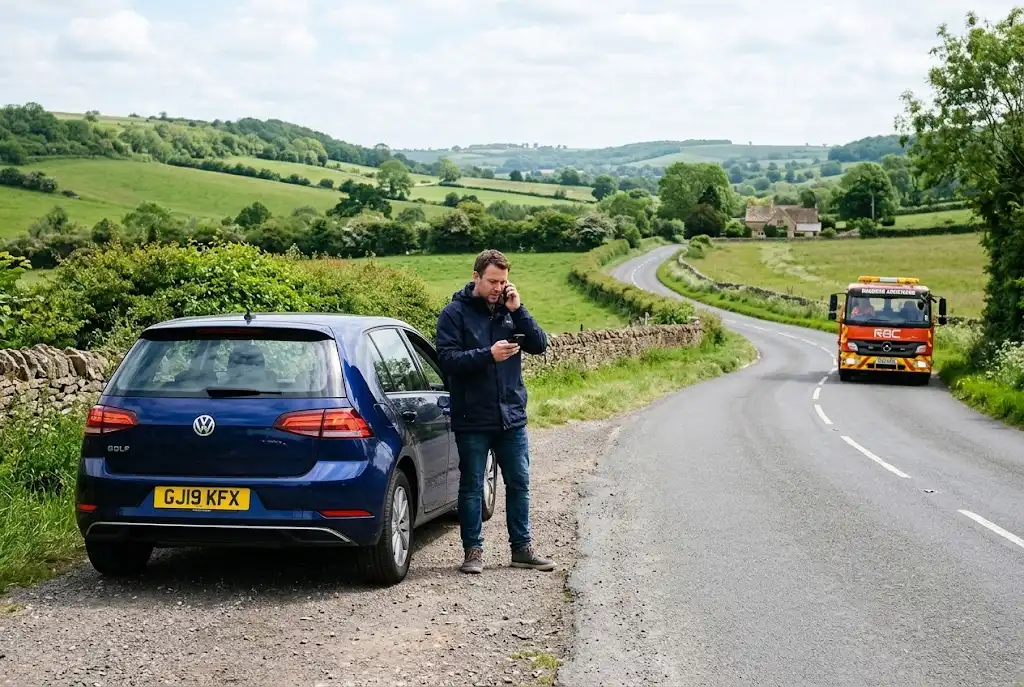
Vehicle breakdowns can happen without warning, whether someone is commuting to work, travelling across the UK, or driving through an unfamiliar area. A flat tyre, dead battery, engine problem, or unexpected mechanical fault can quickly turn an ordinary journey into a stressful experience.
In the past, drivers often had to search for a nearby garage, contact a recovery company, or rely on a roadside assistance membership provider. Today, mobile technology has introduced more convenient ways to request help and communicate with service providers.
Roadside assistance apps are changing how motorists approach vehicle emergencies by making it easier to find support, share locations, and arrange services. Understanding how these applications work can help drivers make better decisions before an unexpected breakdown occurs.
Why Roadside Assistance Apps Are Becoming More Important
Modern drivers increasingly depend on smartphones for navigation, payments, travel planning, and vehicle-related services. Roadside assistance is another area where digital tools can make everyday driving more convenient.
Instead of searching for a recovery company after a breakdown, motorists may be able to use an application to identify available services and submit a request.
Depending on the provider and location, roadside assistance applications may offer:
- Emergency towing and vehicle recovery
- Flat tyre assistance
- Battery jump-start services
- Emergency fuel delivery
- Vehicle lockout support
- Location sharing and service updates
These features can reduce the time spent searching for help, although actual response times depend on provider availability, location, and service conditions.
Popular Types of Roadside Assistance Applications
Different applications approach roadside support in different ways. Some focus on navigation and driver information, while others connect motorists with professional towing and recovery providers.
Drivers researching available options can explore AsianFilmVault’s guide to discover examples of roadside assistance applications and understand the features offered by different platforms.
When comparing these tools, it is useful to consider the services available, geographical coverage, pricing arrangements, and customer support options.
HONK and the Development of On-Demand Roadside Assistance
Digital roadside assistance platforms have also introduced new ways for motorists and service providers to connect.
One example is HONK, which provides technology for coordinating roadside assistance and towing services. Its platform supports digital service requests and connections between motorists, businesses, and roadside assistance providers.
The on-demand roadside assistance app demonstrates how digital platforms can simplify the coordination of vehicle recovery and related services.
HONK’s current offering also extends beyond individual roadside requests, supporting insurance companies, automotive businesses, fleet operators, and other organisations that need roadside assistance solutions.
Its approach highlights several useful capabilities:
- Digital coordination of roadside assistance requests
- Towing and vehicle recovery services
- Support for specialised vehicles
- Technology for fleet and insurance operations
- Digital communication and service management
Drivers should check the platform’s current geographical coverage and service eligibility before relying on it. Availability in one market does not automatically mean that the same services are offered throughout the UK.
Important Features to Look for in a Roadside Assistance App
Not every roadside assistance application provides the same experience. Before choosing one, motorists should consider which features are most useful for their driving habits.
1. Accurate Location Sharing
Location sharing is particularly important when a vehicle breaks down on an unfamiliar road. An application that supports accurate GPS information can help service providers identify where assistance is required.
2. Clear Service Information
Drivers should be able to understand which services are available before submitting a request. Towing, battery support, tyre replacement, and emergency fuel delivery may be offered under different conditions.
3. Transparent Pricing
Unexpected charges can make an already stressful situation more difficult. Check whether the application displays service estimates, call-out charges, additional mileage costs, or other fees before confirming a booking.
4. Reliable Customer Support
A digital application should provide a clear way to contact customer support if a request is delayed, cancelled, or requires additional assistance.
5. Service Availability
Coverage can vary significantly between cities, towns, and rural locations. Drivers should confirm whether an application operates in the areas where they regularly travel.
How Roadside Assistance Apps Can Help During a Breakdown
A roadside assistance application can make the process of requesting help more organised.
If a vehicle develops a problem, drivers should first move to a safe location if possible and activate their hazard warning lights. Once the vehicle is safely positioned, they can assess the situation and determine whether professional assistance is required.
The general process may involve:
- Opening the selected roadside assistance application.
- Choosing the required service, such as towing or battery assistance.
- Sharing the vehicle’s location.
- Reviewing the available service information and estimated charges.
- Confirming the request and following the provider’s instructions.
Drivers should avoid attempting repairs in dangerous roadside conditions. Personal safety should always come before arranging vehicle recovery.
Are Roadside Assistance Apps Better Than Traditional Recovery Services?
Both digital applications and traditional recovery services have advantages.
Traditional roadside assistance memberships may offer established coverage arrangements, dedicated support teams, and services included within an annual policy or membership.
Applications can offer a more direct way to discover services and request help, particularly when drivers need assistance without an existing membership.
The better option depends on individual requirements. Someone who travels frequently may prefer a comprehensive roadside assistance membership, while another driver may value the flexibility of arranging individual services when needed.
It is also worth checking whether breakdown cover is already included through a vehicle insurance policy, bank account, or vehicle manufacturer.
How to Prepare for Unexpected Vehicle Problems
Even the most convenient roadside assistance application cannot prevent every breakdown. Basic preparation remains important for all motorists.
Before starting a longer journey, drivers should:
- Check tyre pressure and visible tyre damage.
- Make sure the battery is in good condition.
- Check engine oil and coolant levels where appropriate.
- Keep sufficient fuel in the vehicle.
- Carry a phone charger or power bank.
- Save important recovery and insurance contact details.
- Review the route and identify suitable stopping locations.
Regular servicing can also help identify developing mechanical problems before they cause an unexpected interruption.
Final Thoughts
Roadside assistance applications are making vehicle recovery and emergency support more accessible through digital technology. Features such as location sharing, service requests, digital communication, and transparent service information can help drivers manage unexpected vehicle problems more effectively.
However, choosing the right application requires more than looking at its advertised features. Motorists should consider geographical coverage, service availability, pricing, customer support, and the conditions attached to each service.
By combining suitable digital tools with regular vehicle maintenance and sensible journey preparation, drivers can be better equipped to handle roadside emergencies and keep their journeys running smoothly.