

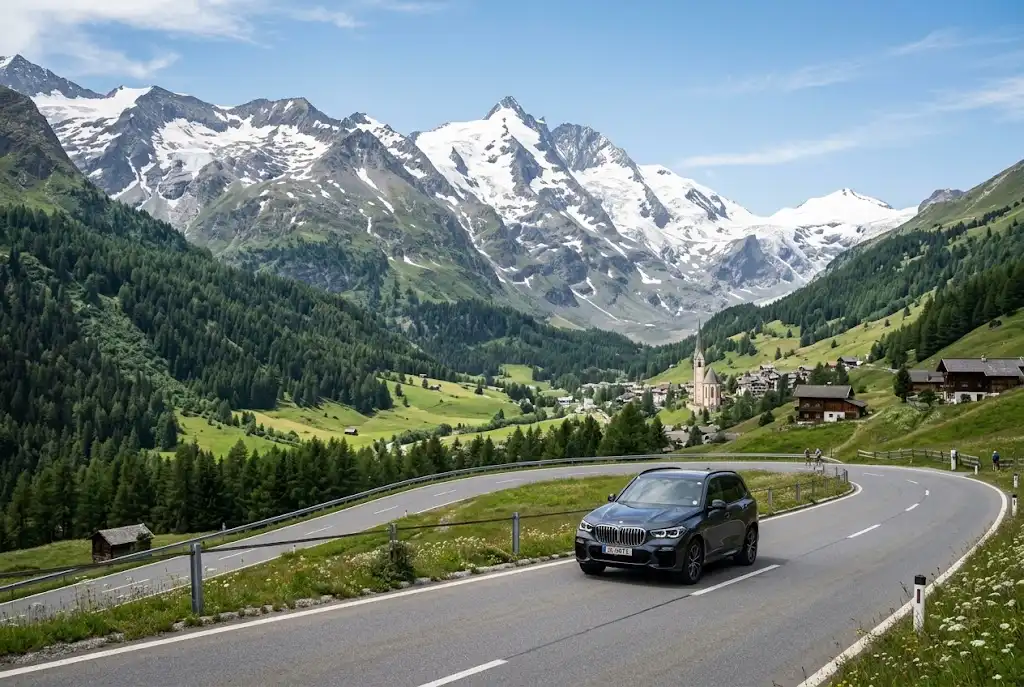
Planning a road trip through the Alps, visiting historic cities or exploring Austria beyond the main tourist routes? A car rental Austria option can give you the flexibility to travel at your own pace. Instead of relying entirely on trains and organised tours, having a rental car makes it easier to reach mountain villages, lakeside destinations, scenic roads and attractions outside the major cities.
However, renting a car in another country involves more than simply choosing a vehicle and collecting the keys. You need to consider where to collect the car, rental conditions, insurance, road rules, motorway tolls, parking and the type of vehicle that suits your itinerary. This guide explains the key points UK travellers should know before arranging an Austria car rental.
Why Consider Car Rental Austria for Your Trip?
Austria has an extensive rail network, so hiring a car is not essential for every holiday. If your itinerary mainly covers Vienna, Salzburg and other major cities, public transport can often be convenient. However, a rental car becomes particularly useful when your plans include rural areas, Alpine resorts or several destinations in one journey.
Driving gives you more control over departure times and stops. You can also carry luggage more easily and avoid having to plan every connection around a train or bus timetable.
For example, travellers planning to explore Vienna first and then continue towards Salzburg or the Austrian Alps may find a car useful for the parts of the journey where public transport is less convenient. If your trip begins in the capital, you can also compare options in our guide to Vienna car rental before deciding where to collect your vehicle.
Where to Pick Up a Rental Car in Austria
Austria has several locations where international travellers can arrange a rental vehicle. Airports are popular because they provide convenient access immediately after arrival, while city branches can make more sense if you plan to spend several days sightseeing before starting a road trip.
Vienna is one of the most common starting points for international visitors. Salzburg is another useful option, particularly for travellers combining the city with nearby Alpine destinations. Depending on your itinerary, collecting a car at one location and returning it somewhere else may also be possible, although one-way rental charges can apply.
Before booking, compare the total price rather than focusing only on the advertised daily rate. Airport fees, additional drivers, insurance options, young-driver charges and other extras can affect the final cost.
How to Choose the Right Rental Car in Austria
The best car depends heavily on where you intend to drive. A compact vehicle can be a sensible choice for city breaks because it is generally easier to manoeuvre and park. For longer road trips with several passengers and luggage, a larger hatchback, estate car or SUV may provide greater comfort.
If you are travelling during winter, the choice becomes even more important. Alpine weather can change quickly, and your route may include mountain roads. Check the rental company’s requirements for winter equipment and make sure the vehicle provided is appropriate for your planned journey.
Automatic transmission can also be worth considering if you are accustomed to driving an automatic car in the UK. Manual vehicles are common in Europe, so make sure the transmission type shown during booking matches what you actually want.
Car Rental Austria: Understanding Tolls and Vignettes
One of the most important things to understand before driving a rental car in Austria is the motorway toll system. Cars and other vehicles up to 3.5 tonnes generally require a vignette when using Austria’s motorways and expressways covered by the vignette requirement. The vignette can be digital or in sticker form. Austria also has separate section tolls on certain tunnels and Alpine routes.
According to Austria’s motorway operator ASFINAG, digital vignettes are available for one day, ten days, two months or one year. The current passenger-car prices listed by ASFINAG are €9.60 for one day, €12.80 for ten days, €32 for two months and €106.80 for an annual vignette.
This is particularly relevant for rental cars because the vehicle’s registration number is linked to a digital vignette. Check with your rental company whether the required toll product has already been arranged before purchasing another one yourself.
Some Alpine routes also have additional section tolls. ASFINAG lists routes including the Brenner, Tauern, Karawanken, Arlberg and other major tunnel or mountain sections where separate toll arrangements can apply.
For the most up-to-date toll information before travelling, check the official ASFINAG guidance and toll planner.
Driving in Austria as a UK Traveller
Driving in Austria can be straightforward for visitors who are familiar with European road conditions, but there are important differences to remember. Austria drives on the right-hand side of the road, meaning UK drivers need to adjust to driving from the opposite side.
Pay close attention to road signs, speed limits and local restrictions. Mountain roads can also require more concentration than normal urban driving, particularly when weather conditions deteriorate.
When collecting your vehicle, take a few minutes to understand the controls before leaving the rental station. Check the headlights, indicators, windscreen wipers and navigation system. If you are unfamiliar with the car, it is better to become comfortable with it while still at the rental location rather than trying to work everything out on a busy road.
What to Check Before Collecting Your Rental Car
A careful inspection at collection can help avoid unnecessary disputes when the vehicle is returned. Walk around the car and look for existing scratches, dents, marks or damaged wheels.
Make sure anything you notice is recorded by the rental company. Taking timestamped photographs of the exterior and interior can also give you a useful record of the vehicle’s condition when you received it.
You should also confirm:
- The fuel or charging policy
- The return location and opening hours
- The agreed mileage allowance
- Any additional-driver arrangements
- The insurance excess
- Emergency or roadside assistance procedures
- Whether cross-border travel is permitted
Cross-border travel deserves particular attention if your Austrian itinerary includes neighbouring countries. Never assume that a rental car can automatically be taken across an international border. Ask the rental company about its rules before leaving Austria.
Insurance and Rental Excess
Rental prices can look attractive until insurance and excess arrangements are considered. Before accepting optional cover, understand what is already included in the basic rental agreement and what additional protection may be available.
The excess is especially important because it can represent a significant amount if the vehicle is damaged. Read the rental terms carefully and check which situations are excluded from protection. Tyres, glass, underbody damage and certain types of negligence may be treated differently depending on the rental agreement.
It is also worth checking whether any separate travel insurance or car-rental excess policy you already have is relevant to your booking. Always compare the actual terms rather than assuming that a policy automatically covers every rental situation.
Parking in Austrian Cities
Parking can be one of the less convenient parts of driving in Austria’s larger cities. Historic city centres often have limited parking, restricted-access areas or designated short-stay zones.
If your accommodation provides parking, confirm availability before travelling. Otherwise, look for a public car park outside the busiest central areas and continue your sightseeing by public transport or on foot.
This is one reason a mixed travel strategy can work well. You can use a rental car for countryside and intercity travel while relying on public transport when exploring dense urban areas.
Should You Rent a Car in Austria?
A rental car is most valuable when flexibility is a major part of your travel plans. If you want to explore lakes, villages, mountain areas and scenic routes, driving can make the trip considerably easier to organise.
On the other hand, travellers spending most of their time in Vienna may not need a car throughout the holiday. In that situation, collecting a vehicle only when leaving the city could be more practical. For a city-focused itinerary, our Vienna car rental guide can help you consider the available options.
Likewise, if your wider itinerary includes Budapest, you can plan the Austrian and Hungarian sections separately rather than assuming one rental arrangement will be the best choice for the entire journey. Our guides to car rental Hungary and car rental Budapest can help with the next stage of planning.
Final Tips for Renting a Car in Austria
Book early when travelling during busy holiday periods, particularly if you need an automatic vehicle or a specific car category. Compare the complete rental cost, not just the headline daily price, and read the terms before paying.
Before collecting the vehicle, confirm the pickup instructions, documents required, insurance arrangements and toll requirements. Once you have the car, inspect it carefully and make sure you understand the fuel policy and return procedure.
Most importantly, build your driving plans around the type of holiday you actually want. A car can be an excellent way to experience Austria’s countryside and Alpine landscapes, but it may be unnecessary during a city break. With the right vehicle, clear rental terms and an understanding of Austria’s toll system, your road trip can be considerably easier and more flexible.
