A vehicle inspection can be one of the most useful checks when buying a used car in the UK. A seller’s description, a test drive and a clean appearance do not necessarily reveal mechanical, structural or electrical problems. A professional inspection provides a closer assessment of the vehicle’s condition and can help a buyer decide whether to proceed, negotiate the price or walk away.
A proper pre-purchase inspection should also be considered alongside the vehicle’s MOT history, vehicle history and service history. These checks answer different questions, so combining them can provide a much clearer picture of a used car before money changes hands.
What Is a Vehicle Inspection?
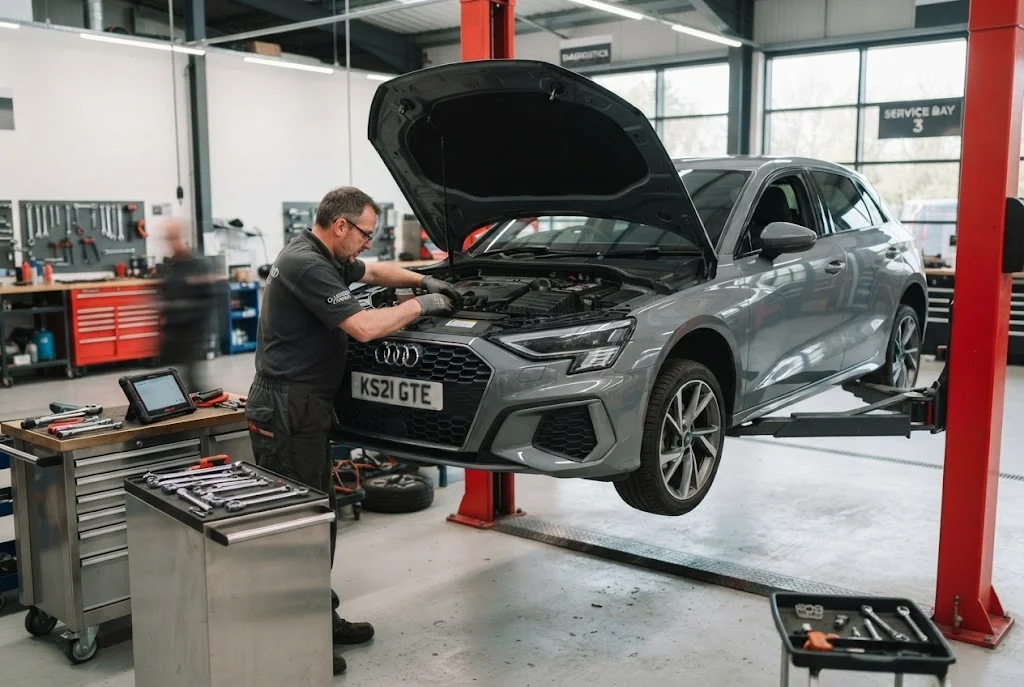
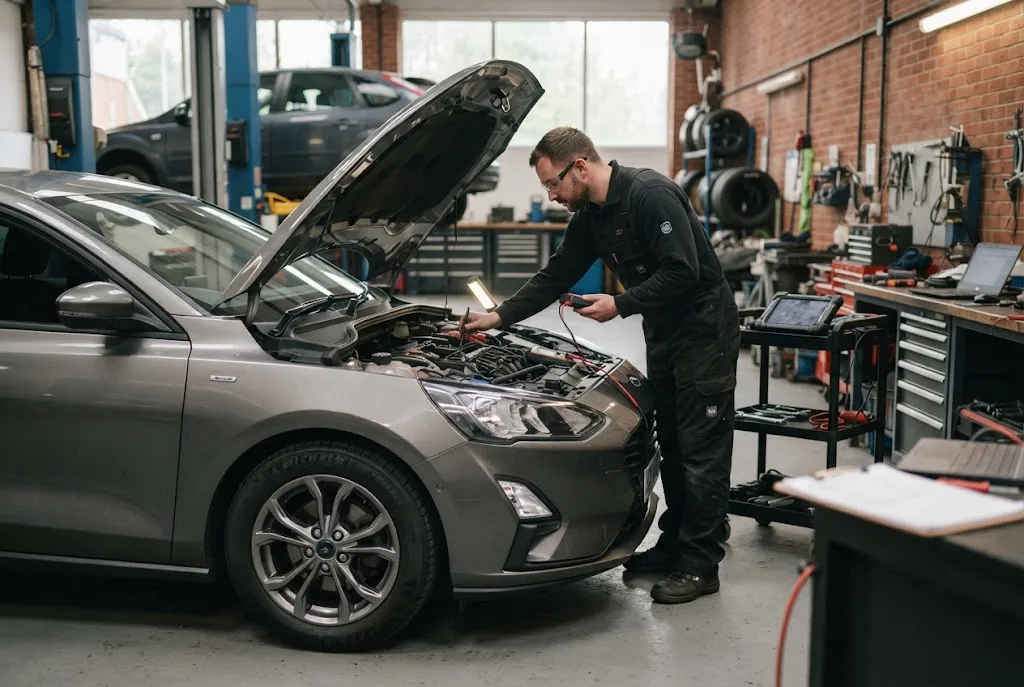
A vehicle inspection is a professional assessment of a car or other vehicle to identify visible faults, mechanical concerns and areas that may require attention. Depending on the provider and inspection level, the assessment can cover the bodywork, engine compartment, steering, suspension, brakes, wheels, tyres, interior controls and other components.
Many professional inspections also include a road test. This can allow an experienced engineer to assess aspects of the vehicle that are difficult to judge while it is stationary, such as steering behaviour, braking performance, suspension noise, gearbox operation and general handling.
The exact scope varies between providers. An inspection is therefore not the same as a guarantee that a vehicle is free from every possible fault. Buyers should always check what the selected inspection package actually includes.
Why Get a Vehicle Inspection Before Buying?
The main purpose of a pre-purchase inspection is to reduce uncertainty. Used cars can look attractive in photographs and during a short viewing while still having problems that may become expensive after purchase.
An independent inspection can identify issues that a buyer may not have the experience or equipment to recognise. Depending on the inspection, these could include worn brakes, suspension concerns, tyre problems, corrosion, fluid leaks, steering issues or faults that become apparent during a road test.
The information can also strengthen a buyer’s negotiating position. If an inspection identifies work that is likely to be required, the buyer may be able to discuss repairs with the seller, negotiate a different price or decide that another vehicle represents better value.
This is particularly relevant when purchasing privately, buying an older vehicle or considering a car with incomplete maintenance records.
AA Car Inspection: What Does It Cover?
An AA car inspection is one example of a professional pre-purchase assessment available to UK buyers. The AA currently offers Basic, Comprehensive and Advanced inspection options, with the scope increasing between the different levels.
The AA’s current inspection information states that its services can cover cars, 4x4s, motorhomes, vans, hybrid vehicles and electric vehicles up to 20 years old, subject to exclusions. The Basic inspection covers areas such as the exterior, fluid levels, controls, lights and tyres and includes a short road test. The Comprehensive option adds more detailed mechanical, brake, suspension and under-vehicle checks, while the Advanced option adds further checks including diagnostic information and brake-related assessment.
The AA also provides a PDF report showing the inspection findings. Its current service information explains that the inspection is a visual assessment and does not involve dismantling vehicle components. This distinction is important because an inspection can identify signs of concern without guaranteeing that every hidden internal fault will be discovered.
For buyers considering an AA inspection, the exact inspection level, vehicle eligibility and current price should be confirmed before booking because these factors can affect what is included.
RAC Inspection: What Should Buyers Know?
An RAC inspection is another option for buyers who want an independent assessment before purchasing a used vehicle. The RAC currently offers several inspection levels, including Basic, Comprehensive and Advanced packages.
According to the RAC, its inspections can examine areas including the body exterior, engine compartment, electrical controls, suspension, steering, clutch and transmission, wheels and tyres, exhaust, fuel system and brakes. The inspections can also include a road test, with the extent depending on the package selected.
The RAC’s current inspection page lists Basic, Comprehensive and Advanced options. The Comprehensive inspection includes a broader mechanical and structural assessment and a longer road test, while the Advanced package adds further diagnostic and brake-related checks. A written engineer report is provided as part of the service.
As with any inspection provider, buyers should read the current inspection terms and package details before booking. The value of an inspection depends heavily on choosing a level that matches the age, value and condition of the vehicle being considered.
Vehicle Inspection vs MOT Test
A vehicle inspection should not be confused with an MOT test. They serve different purposes.
The MOT checks whether a vehicle meets specified road safety and environmental standards at the time of testing. GOV.UK explains that the MOT does not cover the condition of the engine, clutch or gearbox.
A pre-purchase vehicle inspection is instead designed to give a prospective buyer more information about the condition of the vehicle. Depending on the service selected, it can cover mechanical and structural areas that are outside the scope of a standard MOT.
This means a car having a valid MOT does not remove the potential value of an independent inspection. Likewise, an inspection should not be treated as a replacement for checking the vehicle’s official MOT record.
Check the Vehicle History Before Booking
A professional inspection is most useful when it forms part of a wider used-car buying process. Before viewing a vehicle, buyers should obtain the registration number and check the information available from official sources.
GOV.UK recommends checking the vehicle’s details against DVLA information, reviewing its MOT history, checking for safety recalls and examining the V5C log book before buying a used vehicle.
The official MOT history can show previous test results and recorded mileage. For vehicles tested in England, Scotland and Wales, the online record can also show where tests were carried out and identify parts that failed or had minor problems.
These records can reveal patterns that deserve further investigation. Repeated advisories, unusual mileage changes or recurring defects do not automatically mean that a vehicle should be rejected, but they can provide useful questions for the seller and inspection engineer.
Why Service History Matters
Service history provides another layer of information. While an MOT record focuses on the annual test and its results, service records can show maintenance and repair work carried out during the vehicle’s ownership.
A complete service history can help establish whether routine maintenance has been carried out consistently. It may also provide evidence of major work, replacement parts or previous repairs.
However, buyers should avoid assuming that a service history proves a vehicle is mechanically perfect. Records document work that has been carried out; they do not necessarily reveal every current fault. This is one reason an inspection can complement, rather than replace, documentary checks.
What Does a Pre-Purchase Inspection Check?
The exact checklist depends on the provider and package, but a comprehensive vehicle inspection may consider several important areas.
- Bodywork: Signs of damage, corrosion, poor repairs or inconsistencies in exterior condition.
- Tyres and wheels: Condition, visible wear and potential issues affecting roadworthiness.
- Brakes: Visible condition and, where included, additional brake-related checks.
- Steering: Steering operation, alignment-related symptoms and general response.
- Suspension: Visible components, unusual noises and signs of wear.
- Engine compartment: Visible leaks, condition and other accessible areas.
- Transmission: Operation and unusual noises where covered by the inspection.
- Electrical systems: Relevant controls, warning lights and equipment depending on the package.
- Road test: Handling, braking, steering, drivetrain operation and other driving characteristics.
These checks can be especially useful when buying an older or higher-mileage car, where the potential cost of deferred maintenance may be significant.
How to Read an Inspection Report
An inspection report should not simply be judged by the number of faults listed. Buyers need to understand the difference between a minor observation and a problem that could materially affect the vehicle’s safety, reliability or value.
Start by identifying anything described as urgent, unsafe or requiring immediate attention. Then consider items that may need repair in the near future. Cosmetic observations can be separated from mechanical or structural concerns.
It is also useful to ask the inspection provider for clarification if a technical description is unclear. Understanding the likely implication of a fault can help a buyer estimate whether the vehicle remains good value at the agreed price.
Can an Inspection Help Negotiate the Price?
Yes, inspection findings can provide useful evidence during price negotiations. If a report identifies legitimate repair or maintenance requirements, the buyer can discuss those issues with the seller rather than negotiating purely on general impressions.
For example, a buyer may decide that a car remains attractive but needs immediate tyre, brake or suspension work. The likely cost of that work can become part of the purchasing decision.
However, buyers should avoid treating every inspection finding as a pound-for-pound discount. Used vehicles naturally have some wear, and not every recommendation represents an immediate expense. The significance of each finding depends on the vehicle’s age, mileage, condition and asking price.
When Is an Independent Vehicle Inspection Most Valuable?
An inspection can be particularly worthwhile in several situations:
- When buying a privately advertised used car
- When purchasing an older or high-mileage vehicle
- When the vehicle has incomplete or unclear service records
- When the asking price is unusually low
- When the vehicle has a complicated ownership or maintenance history
- When the buyer cannot confidently assess mechanical condition themselves
- When the vehicle is expensive enough that an unexpected repair would significantly affect the purchase decision
The cost of an inspection should be considered against the potential financial exposure of buying a vehicle with significant faults. A relatively small assessment fee may provide useful information before a much larger financial commitment.
What a Vehicle Inspection Cannot Tell You
No inspection should be treated as an absolute guarantee. Professional inspections have defined scopes and limitations, and some problems may only become apparent under conditions that are not present during the assessment.
The AA explicitly states that its vehicle inspections are visual checks and do not involve dismantling components. It also explains that its inspections provide a general assessment rather than a diagnosis of a specific issue.
This is why buyers should combine an inspection with official vehicle records, service documentation, a suitable test drive and careful checks of the seller’s information.
Vehicle Inspection for Electric and Hybrid Cars
Electric and hybrid vehicles can also benefit from pre-purchase inspections. Although their mechanical systems differ from conventional petrol and diesel cars, buyers still need information about tyres, brakes, suspension, steering, bodywork, electrical systems and other relevant components.
The AA currently includes hybrid and electric vehicles within its inspection offering, subject to the relevant inspection terms and vehicle eligibility. Its Advanced inspection also includes additional diagnostic checks.
Buyers considering an EV or hybrid should therefore confirm that the chosen inspection provider and package covers the areas that matter for the specific vehicle.
Vehicle Inspection as Part of a Smarter Buying Process
A vehicle inspection works best as one part of a structured buying process. Start with the official vehicle information and MOT record, review the service history, inspect the car in person and arrange an independent inspection when the purchase warrants the additional assurance.
Tyre condition can also provide useful clues during this process. Uneven wear may indicate issues with wheel alignment or other components, so buyers should consider tyre findings alongside the wider mechanical assessment. Our guide to wheel alignment explains why wheel geometry can matter when uneven tyre wear appears.
For broader tyre-related maintenance after purchase, drivers can also review our guide to tyre services, covering fitting, replacement, repairs, balancing and tyre safety.
Final Thoughts on Vehicle Inspection
A vehicle inspection can give UK used-car buyers valuable information that a visual viewing, test drive or MOT record alone may not provide. It can reveal potential mechanical, structural and safety concerns while also giving buyers a clearer basis for deciding whether the asking price is reasonable.
The strongest approach is to combine an independent inspection with official MOT and vehicle information, a careful review of service history and sensible questions for the seller. AA and RAC inspections offer examples of how professional inspection services can be structured, but buyers should always check the current scope and limitations of the package they choose.
Ultimately, the purpose of a pre-purchase inspection is not to guarantee a perfect car. It is to reduce uncertainty before making a significant financial commitment. That information can help a buyer negotiate more confidently, budget for likely maintenance and, when necessary, decide that another vehicle is the better choice.