Keeping your vehicle in excellent condition starts with following the recommended Vauxhall service schedule. Whether you drive a Corsa, Astra, Mokka, Crossland, Grandland, or Vivaro, routine servicing helps improve reliability, maintain performance, and reduce the likelihood of costly repairs.
Many drivers wait until a warning light appears before booking a service, but preventative maintenance is always the smarter approach. In this guide, we’ll explain how the Vauxhall maintenance schedule works, what happens during each service, and why sticking to the correct intervals is essential for long-term vehicle health.
What Is the Vauxhall Service Schedule?
The Vauxhall service schedule is a manufacturer-recommended maintenance plan that outlines when your vehicle should be inspected and serviced. These intervals are based on time, mileage, and normal vehicle wear.
Although the exact schedule varies depending on your model, engine, and driving conditions, servicing generally follows either annual or mileage-based intervals.
Regular maintenance ensures critical components continue operating safely and efficiently while helping identify problems before they become expensive repairs.
Typical Vauxhall Service Intervals
Most modern Vauxhall vehicles require servicing every 12 months or after reaching the recommended mileage limit, whichever comes first.
Typical service intervals include:
- Annual inspection or interim service for high-mileage drivers
- Full service every 12 months or approximately 12,000 miles
- Major service approximately every 24 months or around 24,000 miles
Always refer to your owner’s handbook or consult a qualified technician, as intervals can differ between petrol, diesel, hybrid, and electric models.
What Does a Vauxhall Annual Service Include?
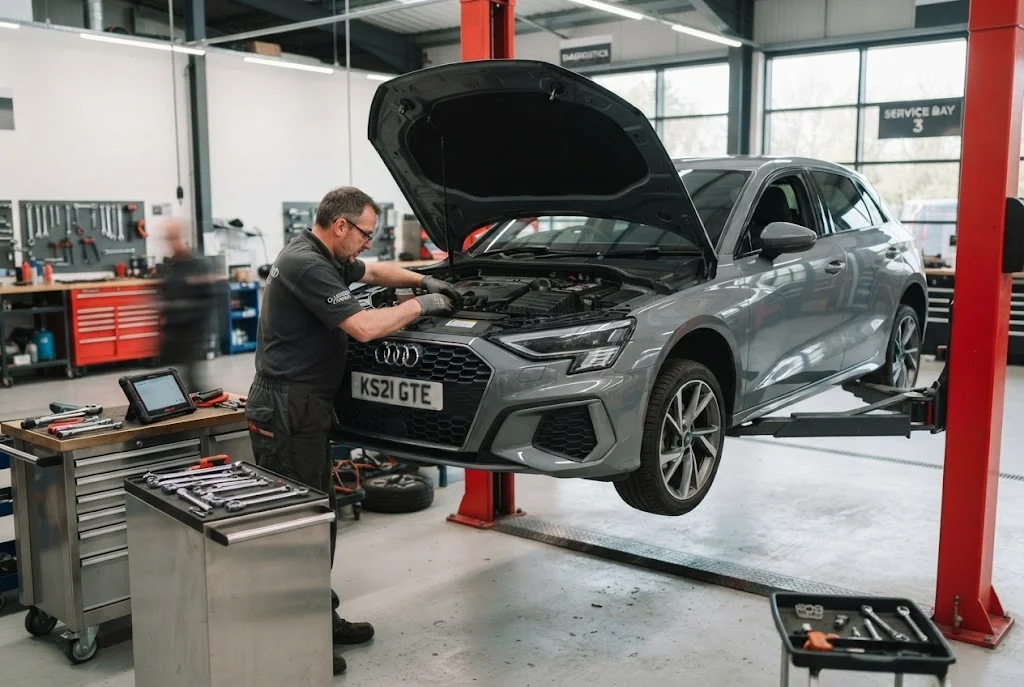
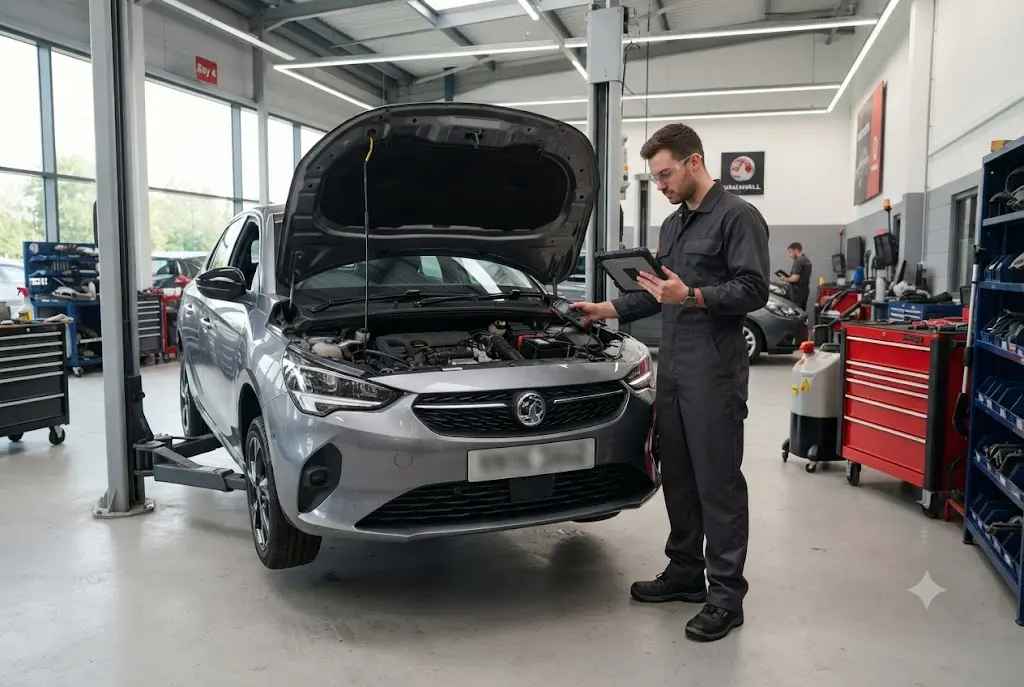
A standard Vauxhall annual service focuses on preventative maintenance and comprehensive safety checks. While individual garages may offer slightly different packages, most services include:
Engine Oil and Oil Filter
Fresh engine oil reduces friction and protects internal engine components from premature wear.
Air Filter Inspection
The engine air filter is inspected and replaced if necessary to maintain efficient airflow.
Cabin Filter
The pollen filter helps improve cabin air quality while supporting heating and air conditioning performance.
Brake Inspection
Technicians inspect:
- Brake pads
- Brake discs
- Brake fluid
- Brake pipes
- Overall braking performance
Tyres
Tyres are checked for:
- Tread depth
- Correct pressure
- Uneven wear
- Damage
Battery Test
The battery’s condition and charging system are assessed to reduce the risk of unexpected starting problems.
Fluid Checks
Mechanics inspect and top up fluids where required, including:
- Coolant
- Brake fluid
- Power steering fluid (where fitted)
- Windscreen washer fluid
Suspension and Steering
Suspension components, steering joints, and related parts are inspected for wear or damage.
Why Following the Vauxhall Maintenance Schedule Matters
Ignoring recommended Vauxhall maintenance intervals may lead to:
- Reduced fuel efficiency
- Premature engine wear
- Brake system problems
- Unexpected breakdowns
- Higher repair costs
- Reduced resale value
Routine servicing also creates a documented maintenance history, which many buyers value when purchasing a used vehicle.
Does Every Vauxhall Model Have the Same Schedule?
No. Service requirements vary depending on:
- Vehicle model
- Engine type
- Vehicle age
- Annual mileage
- Driving conditions
For example, a Vauxhall Corsa used primarily for short urban journeys may have different maintenance needs compared with a Vivaro van covering thousands of motorway miles each month.
When Should You Book a Major Service?
A major service includes everything found in a full annual service, along with additional replacement parts such as spark plugs, filters, and other manufacturer-scheduled components.
If your vehicle has reached its recommended mileage or it’s been around two years since the previous major service, booking one is usually the best option.
To understand the differences, read our guide on full car service vs major service.
Warning Signs Your Vauxhall Needs Servicing
Don’t rely solely on the manufacturer’s schedule. Arrange an inspection sooner if you notice:
- Engine warning lights
- Reduced fuel economy
- Difficulty starting
- Unusual engine noises
- Brake vibration
- Steering issues
- Fluid leaks
- Excessive exhaust smoke
Addressing these problems early can prevent more extensive mechanical damage.
Dealer or Independent Garage?
Both franchised Vauxhall dealerships and reputable independent garages can carry out servicing to a high standard.
Dealerships often have model-specific diagnostic equipment and access to manufacturer updates, while independent garages may offer more competitive pricing.
If you’re deciding which option suits your circumstances, our guide on dealer vs independent garage compares both choices.
How Regular Servicing Saves Money
Routine maintenance may seem like an ongoing expense, but it often prevents significantly larger repair bills. Replacing filters, fluids, and worn components at the correct intervals is considerably cheaper than repairing engine, transmission, or braking system failures caused by neglect.
If you’re budgeting for maintenance, our article on full car service cost UK explains what UK drivers can typically expect to pay.
Final Thoughts
Following the recommended Vauxhall service schedule is one of the simplest ways to keep your vehicle safe, efficient, and dependable. Whether you drive only a few thousand miles each year or cover long motorway journeys every week, regular servicing protects your investment and helps avoid unnecessary repairs.
By sticking to the correct Vauxhall maintenance intervals and choosing a trusted servicing provider, you’ll enjoy greater reliability and peace of mind every time you get behind the wheel.