Buying a used car is an excellent way to save money, but it also comes with risks that every buyer should understand. Among the most serious are stolen and cloned vehicles, which can appear completely legitimate until police investigations reveal their true identity. Unfortunately, many unsuspecting buyers only discover the problem after paying for the vehicle.
By understanding how vehicle cloning works and carrying out the right checks before handing over any money, you can greatly reduce the risk of becoming a victim. This guide explains how stolen and cloned cars operate, the legal consequences of buying one, the warning signs to watch for, and the essential checks every UK buyer should complete.
The Scale of Vehicle Theft and Car Cloning in the UK
Thousands of vehicles are reported stolen across the UK every year, and organised criminal gangs continue to profit by disguising stolen cars and selling them to unsuspecting buyers. One of the most common methods is vehicle cloning, where criminals copy the identity of a legitimate vehicle to make a stolen one appear genuine.
Because many used cars are bought through online marketplaces and private sellers, buyers must carry out independent checks rather than relying solely on the information provided by the seller.
What Is a Cloned Car?
A stolen car is simply a vehicle that has been taken from its lawful owner without permission.
A cloned car is far more deceptive. Criminals steal a vehicle and then copy the identity of another legally registered vehicle with the same make, model, colour and specification. They fit matching number plates and may even produce convincing paperwork so the stolen vehicle appears legitimate.
The result is a stolen vehicle wearing the identity of a genuine one, making it difficult for an inexperienced buyer to spot the fraud without proper checks.
The Legal Reality: Why It Matters
One of the biggest misconceptions is that an innocent buyer automatically becomes the legal owner after purchasing a vehicle. Under UK law, this is not the case.
If a vehicle is stolen, a buyer cannot obtain good title to it, even if they purchased it honestly and had no reason to suspect anything was wrong. If police identify the vehicle as stolen, it can be seized and returned to its rightful owner, leaving the buyer without both the vehicle and the money they paid.
This makes careful verification before purchase absolutely essential.
How to Check a Vehicle Before Buying
Before paying a deposit or completing a purchase, it is sensible to run a Stolen Car Check. This helps buyers check whether the registration appears on stolen vehicle databases and whether the registration details match the vehicle’s VIN. Combining this with other verification methods significantly reduces the chances of buying a stolen or cloned vehicle.
A thorough vehicle history check may also reveal:
- Outstanding finance
- Insurance write-off history
- Mileage inconsistencies
- Previous registrations
- Number plate history
- Potential theft records
Verify the VIN Carefully
The Vehicle Identification Number (VIN) is one of the most reliable ways to confirm a vehicle’s identity.
Always ensure the VIN matches across:
- The windscreen VIN plate
- The chassis stamping
- The engine compartment (where applicable)
- The V5C registration certificate
- The vehicle history report
If any VIN appears altered, scratched, covered or inconsistent, consider it a major warning sign and investigate further before proceeding.
Check the V5C Registration Certificate
The V5C logbook records vehicle registration details but does not prove ownership. Before buying, make sure:
- The VIN matches the vehicle.
- The registration number is correct.
- The keeper’s details appear consistent.
- The document shows no obvious signs of alteration.
- The paper quality and printing appear genuine.
If the seller refuses to produce the original V5C or provides excuses, it is usually safest to walk away.
Use DVLA and DVSA Information
The DVLA provides online services that allow buyers to verify important vehicle information, while the DVSA maintains MOT testing records.
Checking these records allows you to confirm:
- Vehicle tax status
- MOT history
- Registration details
- Basic vehicle specifications
- Mileage progression
- Previous MOT advisories
Unexpected mileage changes or information that doesn’t match the vehicle you’re viewing should always be investigated before purchase.
Red Flags When Viewing a Used Car
The Price Is Too Good to Be True
If the asking price is significantly below the market value for similar vehicles, there may be a reason. Extremely cheap cars deserve extra scrutiny.
The Seller Avoids Their Home Address
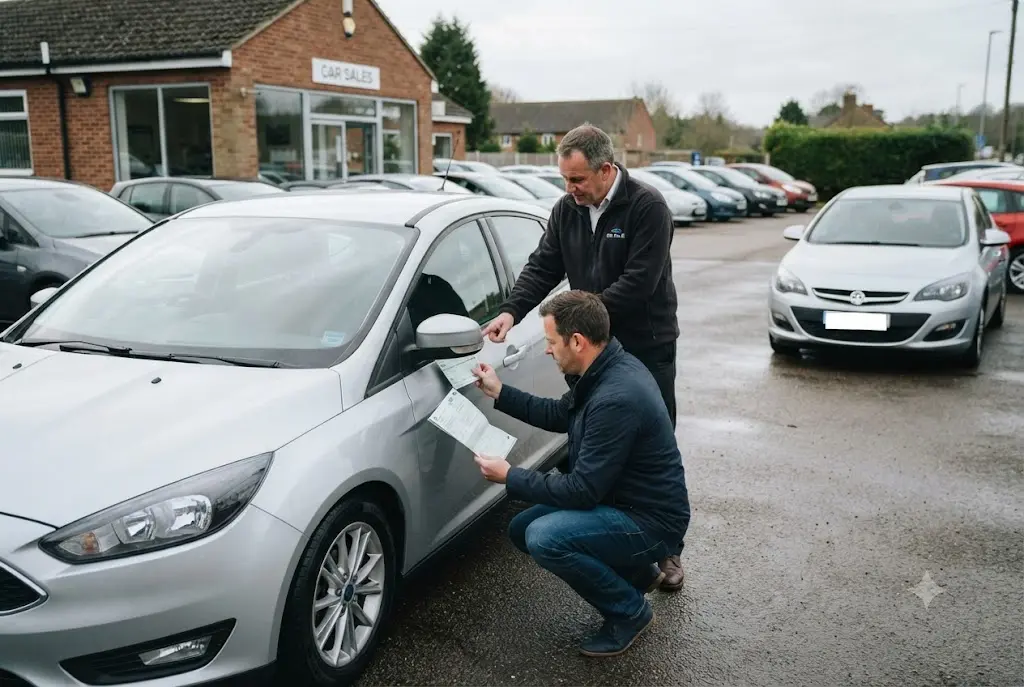
Be cautious if the seller insists on meeting only in a supermarket car park or another temporary location instead of the address associated with the V5C. Genuine private sellers are usually willing to show the vehicle at their home.
There Is Only One Key
While some genuine vehicles are sold with only one key, many modern cars originally come with two. If only one key is available alongside other suspicious signs, carry out additional checks before buying.
The VIN or Documents Don’t Match
Always compare the registration number, VIN, vehicle colour and model specification with the V5C and any history reports. Even small inconsistencies should not be ignored.
The Seller Pressures You to Buy Quickly
Fraudsters often encourage buyers to complete the sale immediately to avoid detailed inspections or independent checks.
Use a Trusted Vehicle History Report
Alongside official checks, using a recognised vehicle history reporting service provides an extra layer of protection. Services such as Carscheck offer comprehensive vehicle history reports, including MOT history, outstanding finance, insurance write-off records and stolen vehicle checks using official DVLA and DVSA data. Reviewing this information before making payment can help identify problems that may not be immediately visible during a physical inspection.
Best Practices for Buying a Used Car
- Inspect the vehicle in daylight.
- Verify the seller’s identity.
- Compare every VIN location.
- Review the MOT history.
- Take a proper test drive.
- Avoid paying cash where possible.
- Request written receipts for the transaction.
- Never rush into a purchase without completing independent checks.
If you’re planning to keep the vehicle long-term, it’s also worth understanding routine maintenance. Our guide on what is a full car service explains what should be inspected after buying a used vehicle and how regular servicing can help avoid expensive repairs.
Final Thoughts
Buying a used car should never rely on appearances alone. A cloned vehicle may look identical to a legitimate one, but the financial and legal consequences can be severe if it later proves to be stolen. By checking the VIN, reviewing the V5C, verifying DVLA and DVSA records, looking out for common warning signs and using independent vehicle history checks, you can greatly reduce the risk of making a costly mistake.
For more practical advice, you can also read our guide on full car service vs major service along with other articles in our Auto Services hub to help you make informed decisions about buying and maintaining a vehicle.