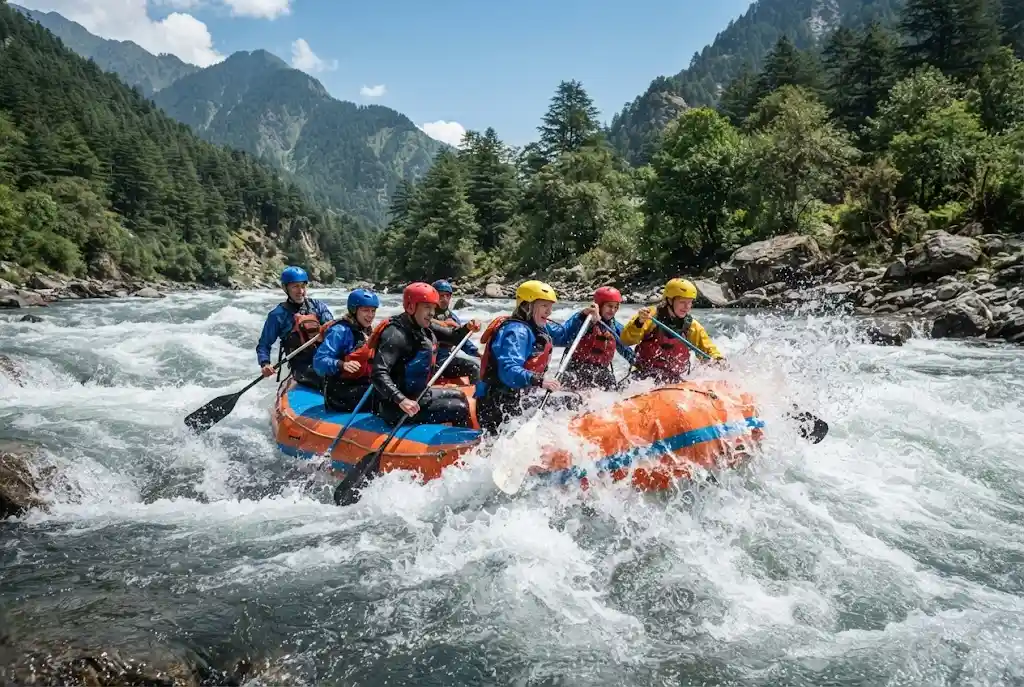
If you’re planning to tackle fast-flowing rivers on your next holiday, choosing white water rafting travel insurance is an essential part of your preparation. While rafting is an exciting adventure activity, it also carries a higher level of risk than standard sightseeing holidays. Many basic travel insurance policies do not automatically include rafting, meaning you could be responsible for expensive medical bills or rescue costs if something goes wrong.
Whether you’re rafting in Slovenia, Croatia, Costa Rica, Nepal, New Zealand, or the French Alps, specialist cover helps protect you against unexpected expenses and gives you confidence to enjoy your adventure. This guide explains what rafting insurance usually covers, common exclusions, and how UK travellers can choose the right policy.
Why White Water Rafting Travel Insurance Matters
White water rafting involves navigating rivers with varying levels of difficulty, changing water conditions, and physical challenges. Even professionally guided trips carry risks such as slips, falls, collisions with rocks, or injuries caused by strong currents.
Because of these risks, insurers often classify rafting as an adventure or extreme sport. Purchasing appropriate extreme sports insurance helps ensure you’re financially protected if an emergency occurs during your trip.
What Does White Water Rafting Travel Insurance Usually Cover?
Although cover varies by insurer, comprehensive policies commonly include:
- Emergency overseas medical treatment
- Hospital admission and treatment
- Emergency evacuation
- River or mountain rescue where covered
- Medical repatriation to the UK
- Trip cancellation
- Trip interruption or curtailment
- Personal liability
- Lost or delayed baggage
- 24-hour emergency assistance services
Some policies also include optional cover for specialist sporting equipment if you’re travelling with your own rafting gear.
Which Rafting Activities Are Covered?
Insurance providers differ in how they classify rafting activities. Some policies cover recreational rafting on lower-grade rivers, while more challenging routes may require specialist adventure sports cover.
Before purchasing insurance, always check:
- Maximum river grade covered
- Whether guided tours are required
- Age restrictions
- Destination-specific limitations
- Professional or competitive exclusions
Common Exclusions
Even specialist rafting policies contain exclusions. Claims may be refused if:
- You participate while under the influence of alcohol or drugs.
- You ignore safety instructions.
- You raft without required supervision.
- You intentionally take unnecessary risks.
- You participate professionally when only recreational activities are covered.
- You fail to disclose relevant medical conditions.
Understanding these exclusions before travelling can help avoid claim disputes later.
Medical Expenses and Emergency Rescue
One of the biggest advantages of specialist rafting insurance is protection against overseas medical costs.
Rafting accidents may require ambulance transport, emergency surgery, hospital stays, or helicopter rescue in remote areas. Depending on your destination, these costs can quickly reach thousands of pounds.
Choosing a policy with generous medical expense limits and emergency evacuation cover provides valuable financial security.
How to Choose the Right Policy
Before buying insurance, compare more than just the premium. Consider:
- Whether white water rafting is specifically listed.
- Medical expense limits.
- Emergency evacuation benefits.
- Cancellation protection.
- Personal liability cover.
- Equipment cover if needed.
- Adventure activity limits.
- Destination restrictions.
- Customer support availability.
A cheaper policy may not offer the level of protection needed for adventure sports.
Adventure Holidays Often Include Multiple Activities
Many rafting holidays also include canyoning, kayaking, hiking, mountain biking, or paddleboarding. Rather than assuming everything is covered, confirm that every planned activity appears within your policy wording.
For example, travellers combining rafting with canyon exploration should also review canyoning travel insurance. Likewise, if your itinerary includes paddleboarding, surfing, or snorkelling, our guide to travel insurance including water sports explains how broader water activity cover works.
Safety Tips Before Your Rafting Trip
- Book licensed rafting operators.
- Always wear approved safety equipment.
- Listen carefully to your guide’s briefing.
- Check weather and river conditions.
- Carry emergency contact information.
- Keep copies of your insurance documents.
- Know your policy’s emergency assistance number.
Frequently Asked Questions
Does ordinary travel insurance cover white water rafting?
Usually not. Many standard policies exclude rafting unless adventure sports cover has been added.
Does insurance cover all river grades?
No. Many insurers only cover specific river classifications, so always check the policy wording before booking.
Can annual travel insurance include rafting?
Some annual multi-trip policies include selected adventure sports, but white water rafting must be specifically listed or available as an optional extension.
Final Thoughts
Purchasing white water rafting travel insurance is an important step for anyone planning an active holiday. Specialist cover can help protect against unexpected medical expenses, rescue costs, cancellations, and other financial risks associated with rafting adventures.
Before travelling, compare insurers carefully, read the policy wording in full, and confirm that every activity you plan to enjoy is included. With the right insurance in place, you can focus on the excitement of the river knowing you’re better protected if the unexpected happens.