Regular servicing is one of the simplest ways to keep your vehicle running safely, efficiently and reliably. Yet one of the most common questions among UK motorists is, how often should you get your car serviced? The answer depends on several factors, including your vehicle’s age, mileage, driving habits and the manufacturer’s maintenance schedule.
Ignoring routine servicing can lead to increased repair costs, reduced fuel efficiency and a greater risk of unexpected breakdowns. Whether you drive daily for commuting, use your car occasionally or cover thousands of motorway miles every year, following an appropriate servicing schedule helps protect both your vehicle and your investment.
Why Regular Car Servicing Is Important
Every journey places wear on essential vehicle components. Engine oil gradually loses its effectiveness, filters become dirty, brakes wear down and tyres naturally deteriorate over time. Regular servicing ensures these components are inspected, maintained and replaced when necessary.
The benefits of routine servicing include:
- Improved reliability
- Better fuel economy
- Enhanced road safety
- Reduced likelihood of expensive repairs
- Longer engine life
- Higher resale value
- Greater confidence during everyday driving
How Often Should My Car Be Serviced?
If you’ve searched how often should my car be serviced, you’ll find that there is no single answer for every vehicle. Manufacturers provide recommended service intervals based on extensive testing of each model.
Many modern vehicles are serviced according to either:
- A specified mileage interval
- A time interval, such as every 12 months
- Whichever comes first
Your owner’s handbook remains the best source of information for your specific vehicle.
Factors That Affect Servicing Frequency
Annual Mileage
Drivers covering higher annual mileage generally require more frequent maintenance because key components experience greater wear.
Driving Conditions
Frequent stop-start traffic, short journeys, towing or driving in harsh weather conditions can place additional strain on the engine, brakes and suspension.
Vehicle Age
Older vehicles may require closer monitoring, as rubber seals, hoses and mechanical components naturally deteriorate over time.
Engine Type
Petrol, diesel, hybrid and electric vehicles all have different maintenance requirements. Hybrid models, for example, still require routine inspections despite having fewer moving engine components during certain driving conditions.
What Happens During a Routine Service?
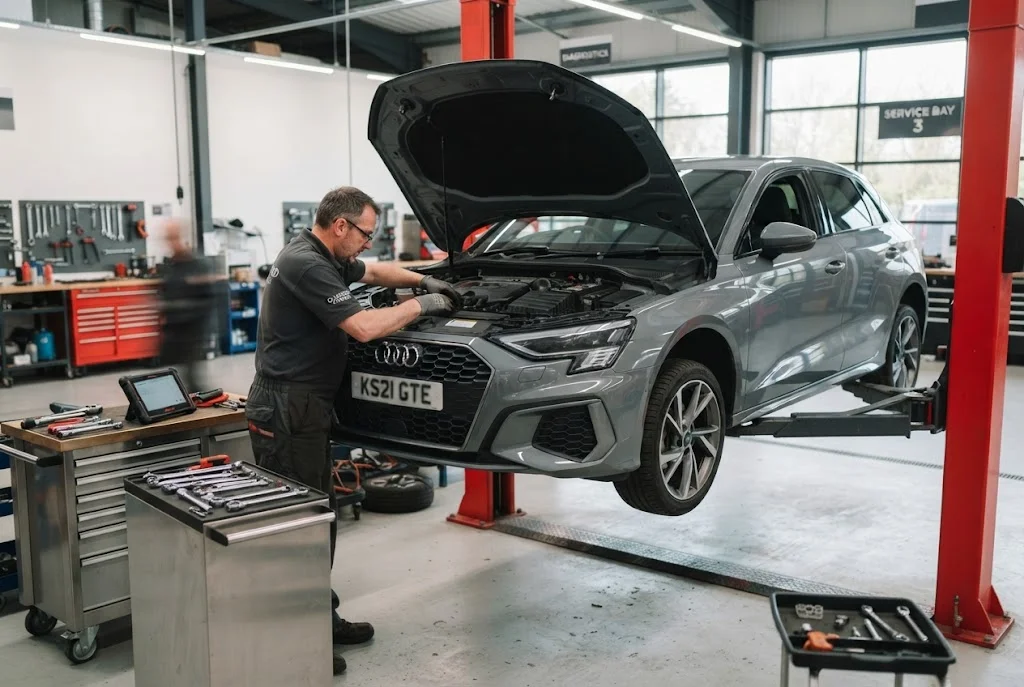
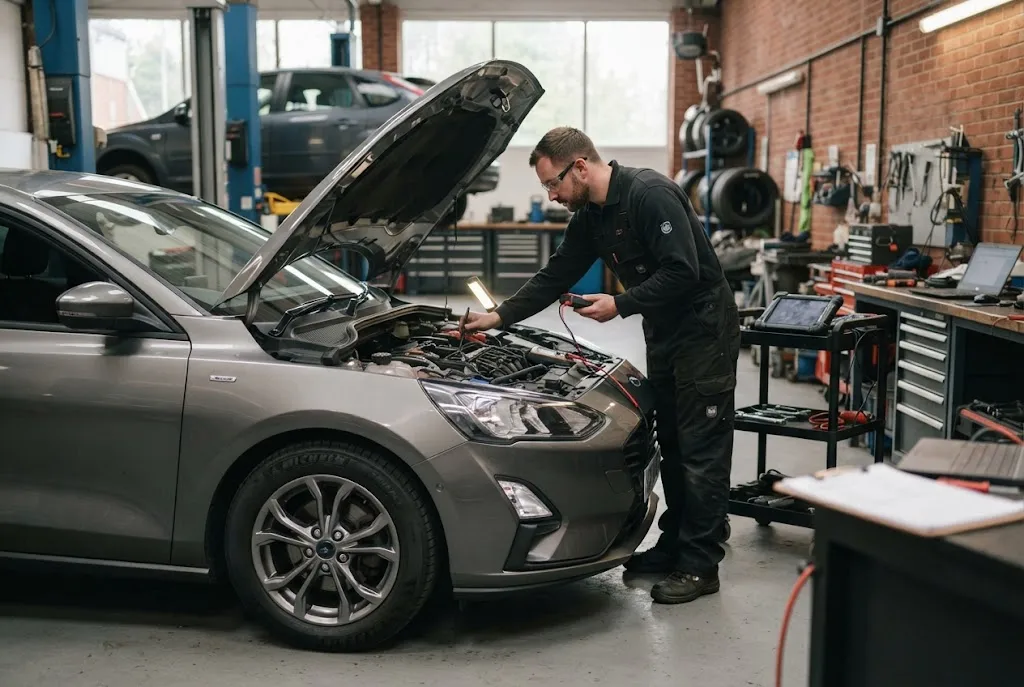
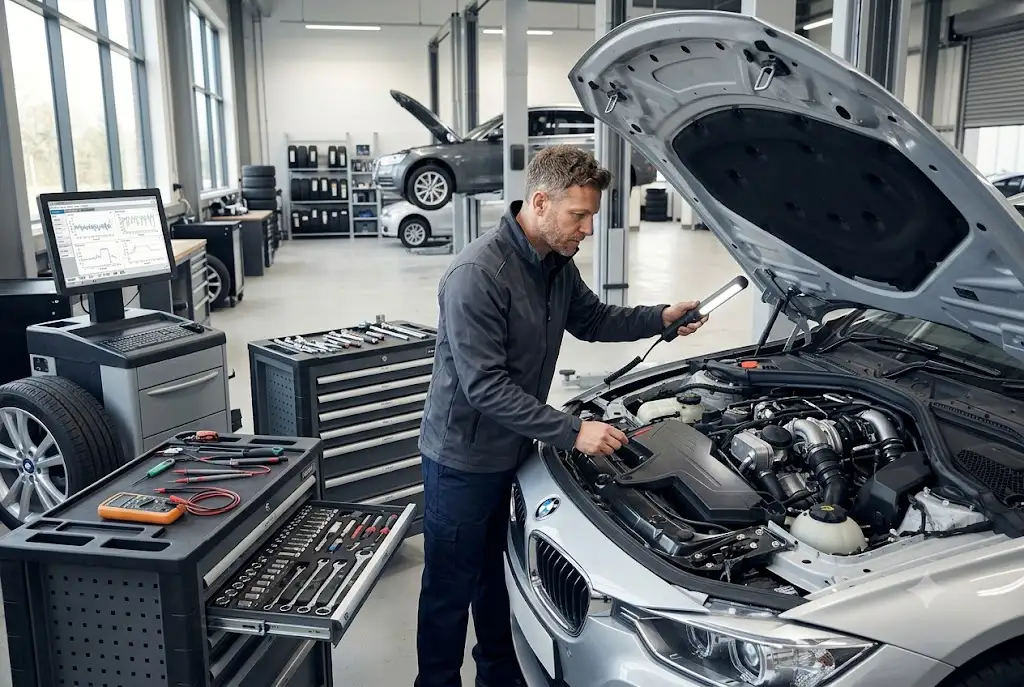
A professional service typically includes a thorough inspection of the vehicle’s key systems. Depending on whether it’s an interim, full or major service, technicians may carry out:
- Engine oil replacement
- Oil filter replacement
- Brake inspection
- Tyre condition and pressure checks
- Battery health assessment
- Suspension inspection
- Steering inspection
- Fluid level checks
- Lighting and electrical system testing
- Diagnostic scanning where applicable
If you drive a Toyota, our Toyota service guide explains what owners can typically expect during scheduled maintenance.
Signs Your Car May Need Servicing Earlier
Even if your next scheduled service is months away, certain warning signs should never be ignored.
- Dashboard warning lights
- Reduced fuel economy
- Unusual engine noises
- Difficulty starting
- Brake vibration
- Steering feels heavier than normal
- Visible fluid leaks
- Excessive exhaust smoke
Booking an inspection as soon as possible can prevent minor issues from developing into major repairs.
Can You Delay a Car Service?
While delaying a service by a short period may occasionally be unavoidable, repeatedly postponing maintenance can increase wear on important components. Over time, neglected servicing may contribute to engine damage, reduced efficiency and higher repair bills.
Sticking to the manufacturer’s recommended schedule remains the most sensible approach for long-term vehicle health.
Understanding Servicing Costs
Servicing costs vary depending on the make, model, age and type of service required. Labour rates also differ between regions and garages.
If you’re comparing maintenance costs across different manufacturers, our guide to Toyota service cost explains the factors that commonly influence servicing prices.
Servicing Is More Than Just the Engine
Regular maintenance extends beyond oil changes. Other important areas should also be inspected throughout the year.
Tyres
Correct tyre pressures, adequate tread depth and professional fitting all contribute to safer driving. If replacement tyres are required, our article on tyre fitting charges explains what UK drivers should expect.
Wheel Alignment
Poor wheel alignment can reduce tyre lifespan and affect vehicle handling. If your steering wheel is off-centre or your tyres show uneven wear, our guide to wheel alignment services provides more information.
General Vehicle Care
Routine washing, checking fluid levels and inspecting tyres all form part of good automobile care, helping to keep your vehicle in better condition between scheduled services.
Does Servicing Help with MOT Preparation?
Although a service is different from an MOT test, regular maintenance often identifies worn components before your annual inspection. Brakes, tyres, lights and suspension are all commonly checked during servicing and are also important areas assessed during an MOT.
If you’re preparing for your next inspection or use the Motability Scheme, our guide to Motability garages near me may also be useful.
Tips for Staying on Schedule
- Check your owner’s handbook regularly.
- Record each service in your maintenance history.
- Book your next service before leaving the garage.
- Monitor dashboard service reminders.
- Carry out basic monthly vehicle checks.
Keeping accurate service records not only helps maintain reliability but can also make your vehicle more attractive to future buyers.
Final Thoughts
Knowing how often should you get your car serviced is an important part of responsible vehicle ownership. While service intervals differ between manufacturers, following the recommended schedule helps improve safety, reduce long-term running costs and extend the lifespan of your vehicle.
Alongside routine servicing, regular tyre checks, wheel alignment, brake inspections and general maintenance all contribute to keeping your car in excellent condition. For official guidance on maintaining your vehicle safely, the UK Government MOT guidance provides useful information for motorists.