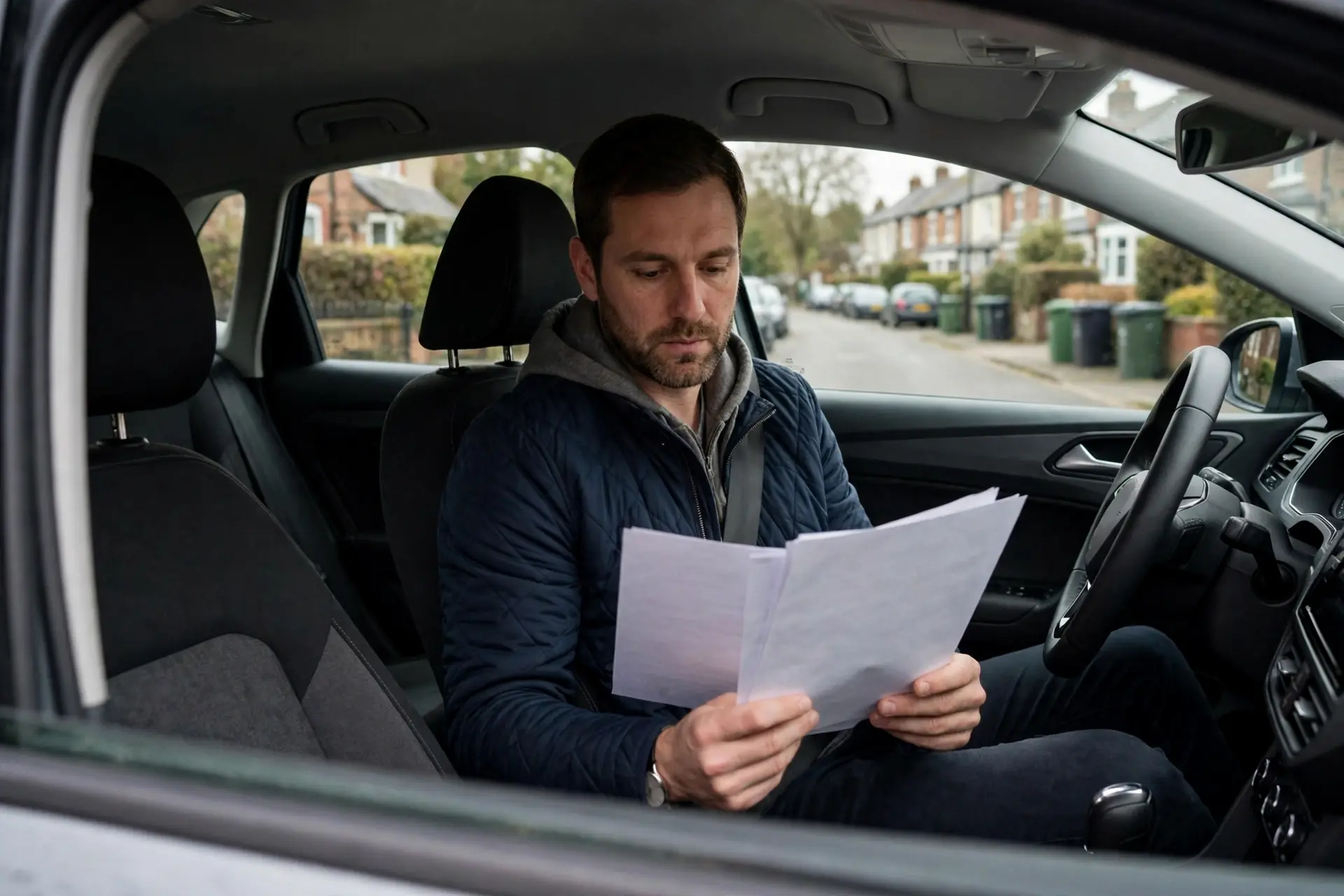
Buying your first property is part exciting milestone, part paperwork marathon. This first-time buyer guide walks you through the whole process in the order it actually happens — from working out what you can afford to collecting the keys — so you know what each stage involves, what it costs, and where first-time buyers most often get caught out.
Step 1: Work Out What You Can Afford
Before you browse a single listing, get honest about your numbers. Lenders typically assess affordability against your income, regular outgoings and existing debts, and they stress-test whether you could still pay if interest rates rose. As a rough discipline, add up your essential monthly spending and debts first; a mortgage has to sit comfortably alongside them, not replace them. The same budgeting habit that keeps any large finance agreement manageable — understanding the full monthly commitment rather than just the headline figure, as we discuss in our guide to car finance in the UK — applies even more strongly to a mortgage you may hold for 25 years or more.
Step 2: Save Your Deposit and Check Your Credit File
Most first-time buyers put down between 5% and 20% of the purchase price. A bigger deposit usually unlocks better interest rates, because lenders price in bands based on the loan-to-value ratio. While you save, check your credit files with the main UK credit reference agencies, correct any errors, register on the electoral roll at your current address, and avoid taking on new credit in the months before you apply. Small details — an old address mismatch, a missed payment you can explain — are far easier to fix before a lender sees them.
Step 3: Get a Mortgage Agreement in Principle
An Agreement in Principle (AIP) is a lender’s provisional statement of how much it would be willing to lend you, based on basic checks. Estate agents often ask to see one before accepting an offer, because it shows you are a serious, fundable buyer. You can get an AIP directly from a lender or through a mortgage broker. A broker who covers the whole market can be valuable for first-time buyers, particularly if your income is self-employed, variable, or made up of several sources.
Step 4: House Hunting and Making an Offer
With a budget and an AIP, you can search with confidence. View properties at different times of day, check broadband speeds, water pressure, phone signal and the general condition of roofs, windows and boilers — the unglamorous details that become your repair bills. When you find the right place, offer through the estate agent; in most of England, Wales and Northern Ireland nothing is legally binding until contracts are exchanged, while Scotland uses a different system where missives are concluded earlier. Factor the property’s condition into your offer rather than assuming you will renovate cheaply later.
Step 5: Surveys, Conveyancing and Exchange
Once your offer is accepted, three tracks run in parallel. Your lender arranges a valuation to confirm the property is worth the loan. You should also commission your own survey — a basic condition report for newer homes, or a more detailed homebuyer report or full building survey for older or unusual properties. Meanwhile, your conveyancer or solicitor handles the legal work: searches with the local authority and water company, checking the title, raising enquiries, and reviewing the contract. When everyone is satisfied, you pay your deposit, sign, and exchange contracts — the point at which the purchase becomes legally binding in England and Wales.
Step 6: Completion and Moving In
Completion day is when the remaining money transfers, the seller’s mortgage is redeemed, and the keys are released. Then the real settling-in begins. Line up the practical essentials early: meter readings, council tax, utilities, and buildings insurance — which your lender will normally require from exchange, and which works much like motor cover in that the details matter, as our explainer on how car insurance groups are explained shows for vehicles. New owners quickly discover the value of trustworthy tradespeople; our advice on finding reliable local services applies wherever you live, and understanding basics such as why professional drainage services matter for modern properties can save you from expensive surprises in older homes. And once the boxes are unpacked, many first-time buyers finally act on long-held plans — our guide to getting your first dog in the UK covers the costs and rules if a pet is part of your new-home picture.
The Extra Costs First-Time Buyers Forget
The deposit and mortgage are only part of the bill. Budget separately for:
- Survey fees and the lender’s valuation or arrangement fees.
- Conveyancing fees and search costs.
- Stamp Duty — first-time buyers currently benefit from relief thresholds in England and Northern Ireland, but check the current rules and rates before you rely on them, as they change.
- Removals, furniture, and the first round of repairs and decorating.
- Buildings and contents insurance from day one.
Government-backed schemes for buyers also change over time. The MoneyHelper service publishes impartial, up-to-date guidance on buying a home, including the schemes currently open to first-time buyers, and it is worth checking before you apply anywhere.
After You Move In
Your first year as a homeowner is about building new habits: keep an emergency fund for the boiler-and-roof category of problems, review your mortgage deal before any introductory rate ends, and keep paperwork — guarantees, service records, planning permissions — in one place for when you eventually sell. Buying your first home is a long process, but each stage is manageable once you know what comes next. Explore our other Property and Home Services guides for more practical help with running your new home.