If you’ve ever wondered what is a full car service, you’re not alone. Many UK drivers know they should service their vehicles regularly but aren’t always sure what the process involves or why it’s so important. A full car service goes beyond simply changing the engine oil—it is a comprehensive inspection designed to keep your vehicle safe, reliable, and running efficiently.
Whether you’ve recently purchased a used vehicle or want to maintain your current one, understanding what a full service includes can help you avoid costly repairs and extend your car’s lifespan.
What Is a Full Car Service?
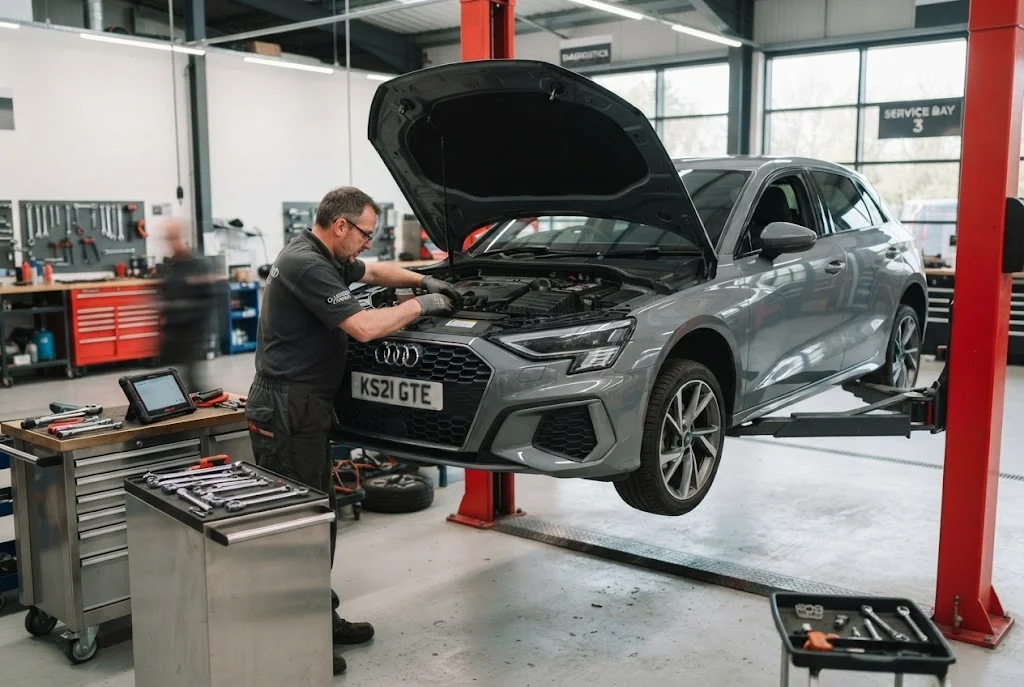
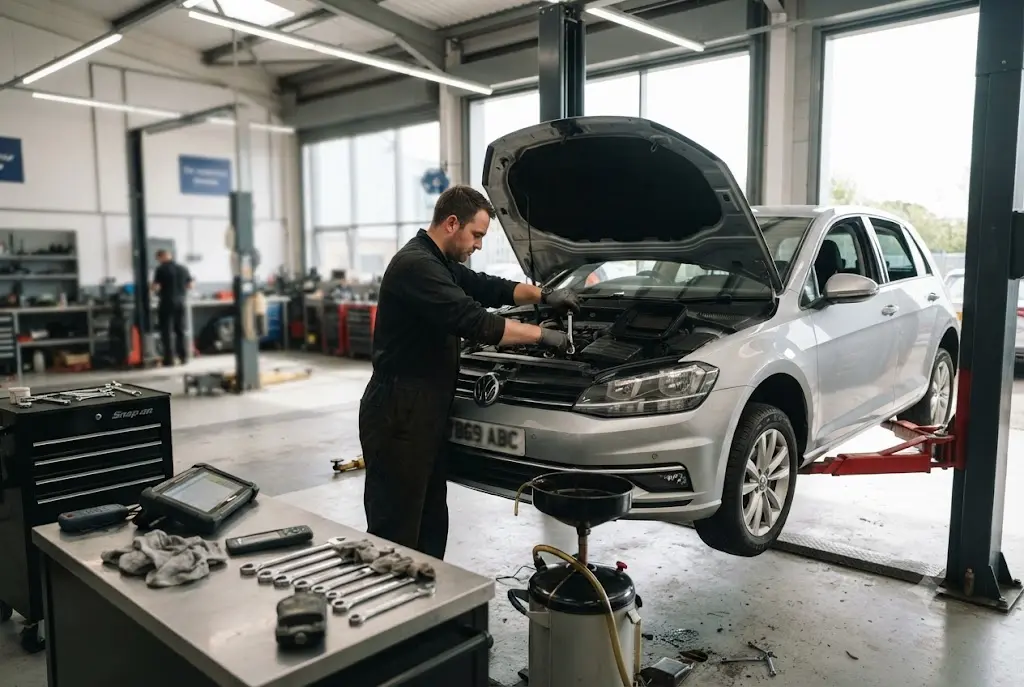
A full car service is a detailed maintenance inspection carried out by a qualified mechanic. It involves checking, replacing, and adjusting key components throughout your vehicle to ensure everything operates correctly.
Unlike an MOT, which is a legal roadworthiness inspection, a full service is preventative maintenance. It identifies worn parts before they become major problems and helps maintain the performance and reliability of your vehicle.
Although garages may have slightly different checklists, most follow manufacturer recommendations and industry best practices.
What Does a Full Service Include UK Garages Typically Perform?
If you’re asking what does a full service include UK garages generally inspect, the answer is quite extensive. A standard full service normally includes:
Engine Oil and Oil Filter
Fresh engine oil keeps internal engine components properly lubricated, while a new oil filter removes contaminants that can reduce engine performance.
Air Filter Inspection
The engine air filter is checked and replaced if necessary to maintain efficient airflow and fuel economy.
Cabin (Pollen) Filter
This filter improves cabin air quality and supports the heating and air conditioning system.
Brake System Inspection
Technicians examine:
- Brake pads
- Brake discs
- Brake fluid
- Brake pipes
- Brake operation
Tyres
Tyres are checked for:
- Tread depth
- Pressure
- Uneven wear
- Damage
Fluid Levels
Various vehicle fluids are inspected and topped up where required, including:
- Coolant
- Brake fluid
- Power steering fluid
- Windscreen washer fluid
Battery Health
The battery is tested for voltage, charging performance, and visible corrosion.
Suspension and Steering
Mechanics inspect suspension components, steering joints, and related parts for wear or damage.
Lights and Electrical Systems
All exterior and interior lights are checked, along with essential electrical systems.
Belts and Hoses
Drive belts and coolant hoses are examined for cracks, leaks, or signs of deterioration.
What Includes in Full Car Service?
People often search for what includes in full car service because every garage advertises slightly different packages. While premium services may include additional checks, a proper full service generally covers over 50 inspection points throughout the vehicle.
Many garages also provide a written inspection report outlining any advisory items that may require attention in the future.
What Do You Get in a Full Car Service?
If you’re wondering what do you get in a full car service, the benefits extend beyond replacing a few consumable parts.
A quality service typically provides:
- Improved engine performance
- Better fuel efficiency
- Reduced breakdown risk
- Earlier detection of expensive repairs
- Enhanced vehicle safety
- Longer engine life
- Higher resale value
- A documented service history
A complete service record can also make your vehicle more attractive to future buyers.
What Happens During a Car Service?
If you’ve never booked one before, you may be asking what happens car service appointments involve.
Typically, the process includes:
- Visual inspection of the vehicle
- Computer diagnostics (where applicable)
- Replacing engine oil and filters
- Checking braking performance
- Inspecting steering and suspension
- Testing tyres and wheel condition
- Checking fluid levels
- Road testing the vehicle if required
- Providing a service report
The entire appointment usually takes between two and four hours, depending on the vehicle and any additional work required.
How Often Should You Book a Full Service?
Most manufacturers recommend a full service every 12 months or approximately 12,000 miles, whichever comes first. However, this varies depending on:
- Vehicle age
- Driving habits
- Manufacturer recommendations
- Engine type
- Road conditions
For a detailed explanation of recommended servicing intervals, read our guide on how often should you service your car.
Full Service vs MOT
Many drivers mistakenly believe an MOT replaces regular servicing, but the two serve different purposes.
An MOT is a legal inspection that confirms your vehicle meets minimum road safety and environmental standards.
A full service, however, focuses on preventative maintenance and keeping your vehicle running efficiently throughout the year.
If you’d like a detailed comparison, see our guide to MOT vs car service.
Is a Full Service Worth the Cost?
While servicing represents an ongoing maintenance expense, it often saves money in the long run. Replacing worn filters, fluids, or brake components early is usually far less expensive than repairing major engine or transmission damage caused by neglect.
Regular servicing can also improve fuel economy and reduce unexpected repair bills.
Choosing the Right Garage
Whether you choose a franchised dealer or an independent garage, look for:
- Qualified technicians
- Transparent pricing
- Good customer reviews
- Manufacturer-approved parts where appropriate
- A written service checklist
If you’re deciding between different service providers, our upcoming guide on dealer vs independent garage explains the advantages and disadvantages of each option.
Final Thoughts
Understanding what is a full car service helps you make informed decisions about maintaining your vehicle. A professional full service covers far more than an oil change—it includes comprehensive inspections, preventative maintenance, and early identification of potential problems.
Keeping up with regular servicing protects your investment, improves safety, supports fuel efficiency, and helps ensure your vehicle remains reliable for years to come.