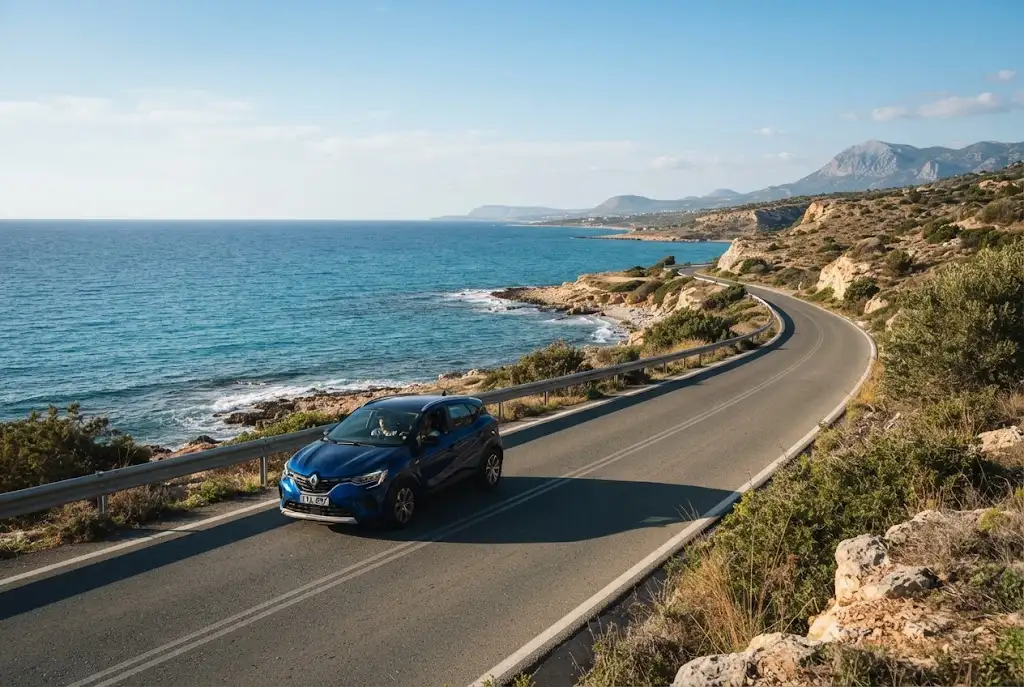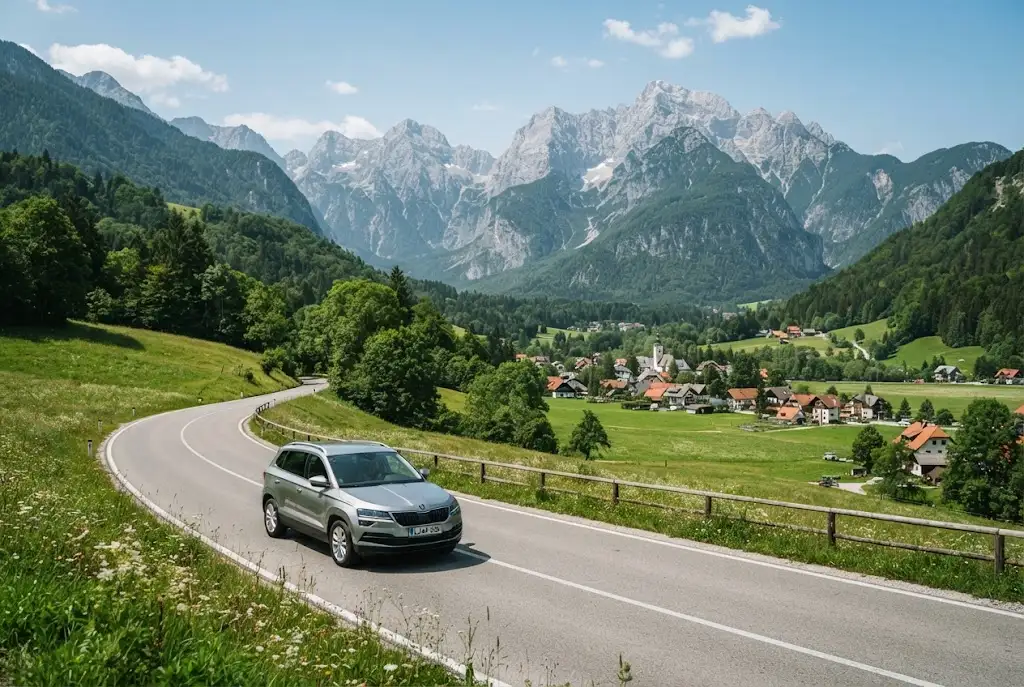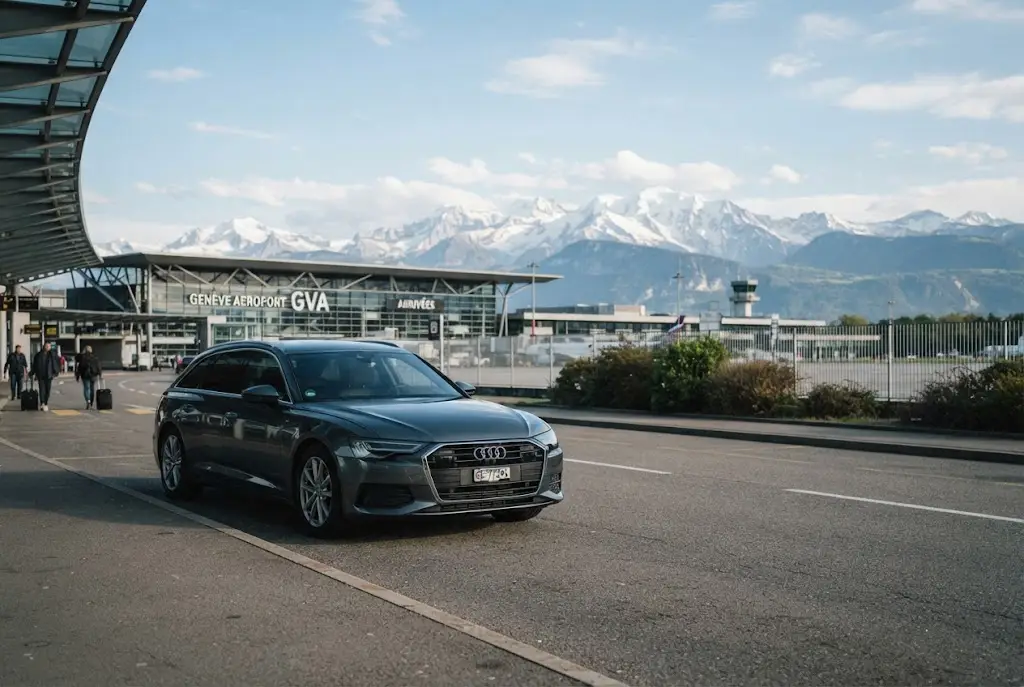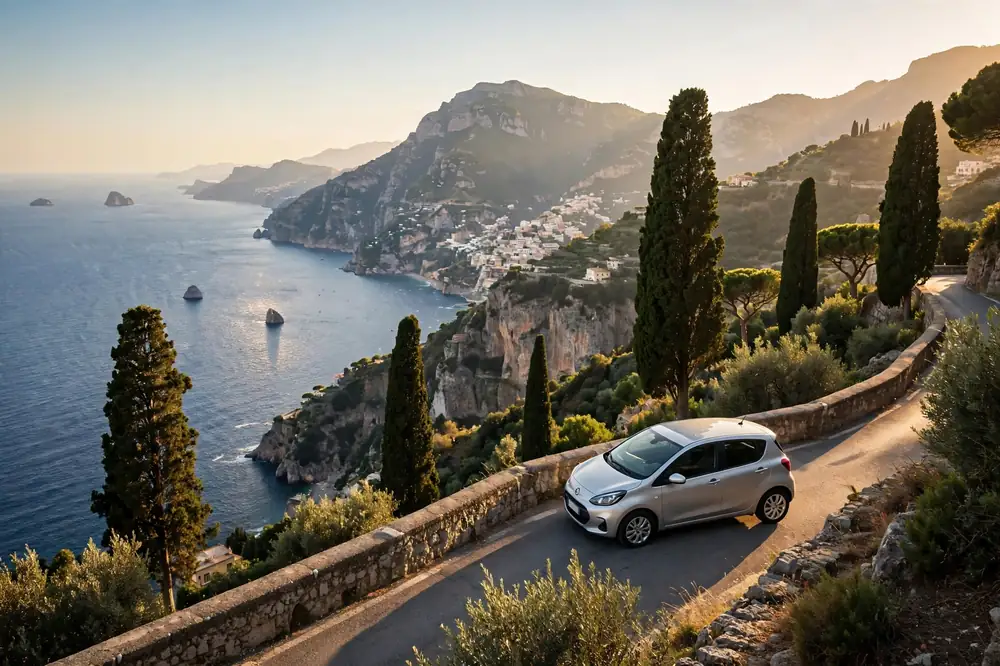
Planning an italy rental car is one of the easiest ways for UK travellers to see Italy beyond its famous cities. A car gives you the freedom to reach hill towns, vineyards, lakes and coastal villages that trains and buses serve less often, and to travel at your own pace. It also brings a few unfamiliar rules, so good preparation matters before you collect the keys.
Whether you land in Rome, Milan, Naples or Bologna, the basics stay broadly the same. This guide explains where to pick up your car, what documents you need, how to choose the right vehicle and how to keep costs under control. It also works as a short Italy Driving Guide, covering limited-traffic zones, motorway tolls, parking and fuel, so there are fewer surprises once you are on the road.
Why an Italy Rental Car Suits UK Travellers
Italy rewards travellers who explore beyond the headline sights. Trains link the big cities well, but many of the places people remember most, such as a small town in Tuscany, a farm stay in Puglia or a viewpoint above Lake Garda, are far easier to reach by car. With an italy rental car, you can stop for photographs, change your plans when the weather changes and carry luggage without hauling it across stations.
Driving on the right takes a little concentration at first, especially at roundabouts and junctions, but most UK drivers settle quickly. If you have read our guide to car rental in Cyprus or our guide to car rental in Slovenia, you will recognise the same pattern on this site: one practical guide per country, focused on local rules rather than generic advice. Italy has its own quirks, and the sections below cover them in turn.
Where to Pick Up Your Car: Airports and City Locations
Airports are the most popular pick-up points, and Rome is the busiest gateway for many visitors. Rome Airport Car Hire usually means collecting from Fiumicino, the main international airport, although Ciampino also serves many European flights. Rental desks and car parks at large Italian airports are generally well signposted, and collecting on arrival avoids dragging cases into the city centre. Travellers who search for auto rental rome will usually see these airport locations first, alongside a smaller number of city offices.
Other major airports, including Milan Malpensa and Linate, Venice, Naples, Bologna, Catania and Pisa, also offer a wide choice of rental companies. Airport locations can be convenient for longer opening hours and a larger choice of cars, although they sometimes carry airport surcharges and queues at peak arrival times. City locations, often near main railway stations, can suit travellers who spend a few days in the city first and only need a car for the onward journey. That approach also avoids paying for parking while you sightsee.
Think about your first drive before you choose. Collecting at the airport and heading straight onto the motorway is usually calmer than starting in a busy historic centre. If your hotel is in a restricted zone, collecting in the city could create problems before your trip has even begun, so many visitors collect their italy rental car as they leave the city instead.
What You Need to Hire a Car in Italy
Every driver must show a full, valid driving licence at collection, and the main driver usually needs to present a passport or other recognised photo identification, the booking confirmation and a payment card in their own name. Rental companies check these documents carefully, and a mismatch between the booking name and the card or licence can delay or prevent collection, so use the main driver’s exact name when you book.
UK licence holders should check the current guidance before travelling and consider whether an International Driving Permit is advisable for their trip. Rules and rental company expectations can differ, and some desks ask to see a permit alongside a UK licence, particularly where staff need an official translation of the licence details. Obtaining a permit before you travel, where one is recommended, is far simpler than resolving the question at the desk.
Most companies also require a credit card in the main driver’s name for the security deposit, which is held against the card during the rental rather than taken as a payment. Debit cards are not accepted everywhere, and where they are, conditions may be stricter. Age rules vary too: younger drivers often face a surcharge or a restricted choice of cars, and some larger or premium vehicles have higher minimum ages. Always read the specific terms for the car group you choose, rather than relying on general assumptions.
Choosing an Italy Rental Car for Italian Roads
Smaller is often better in Italy. A compact car is easier to park, simpler to thread through narrow village streets and usually cheaper to fuel. Historic centres were not designed for large vehicles, and you will be grateful for a modest car when a delivery van approaches on a lane between stone walls. For two travellers with light luggage, a small hatchback is normally plenty.
Families and groups covering long motorway distances may prefer a larger estate or a people carrier, provided they accept trickier parking. Think honestly about luggage space, because a boot that looks adequate at home can feel small once cases, shopping and beach bags compete for room. Automatic cars are available but form a smaller share of fleets than in the UK, so book early if you do not drive a manual. Air conditioning is well worth having in summer, and a phone mount or reliable sat nav helps on unfamiliar roads.
Budget Car Hire Italy: Keeping Costs Under Control
Finding budget car hire italy deals is mostly about comparing the full price, not the headline rate. A low daily price can grow once you add a second driver, a child seat, out-of-hours collection or extra insurance. Compare like with like, check what mileage is included and note the fuel policy before you confirm. A full-to-full fuel policy, where you return the car with a full tank, is usually the easiest to understand and to budget for.
Booking ahead generally gives you a wider choice and steadier prices, especially for travel in school holidays, when demand for an italy rental car rises sharply. Returning the car to the same location is usually cheaper than a one-way rental, and collecting during standard opening hours can avoid extra fees. At the desk, decline extras you do not need politely but firmly, and keep your booking documents to hand so staff can see exactly what you have already paid for. Finally, photograph the car carefully at collection, as described below, because avoiding an unfair damage charge is the simplest saving of all.
Insurance, Excess and the Small Print
Standard cover is normally included in the rental price, but it usually comes with an excess, which is the amount you may have to pay towards repair costs if the car is damaged or stolen. Companies often offer additional cover at the desk that reduces that excess, sometimes to zero. Whether it is worthwhile depends on the price, your itinerary and your appetite for risk, so decide before you arrive rather than under pressure at the counter.
Check what any policy excludes. Tyres, wheels, glass, keys and the underside of the car are commonly treated differently, and cover may not apply if the car is taken somewhere the contract forbids. Read the rental agreement, keep it in the car and store the company’s emergency number in your phone. If anything happens, follow the agreement’s instructions about reporting the incident, and keep every document you are given.
Italy Driving Guide: ZTL Zones, Tolls, Parking and Fuel
ZTL limited-traffic zones
The single most important rule in this Italy Driving Guide concerns the Zona a Traffico Limitato, usually shortened to ZTL. Many historic centres restrict access to authorised vehicles at certain times, and cameras record number plates at the entry points. Entering without permission can lead to a fine that reaches you months later, often with an administration fee from the rental company added. Watch for the ZTL signs, never follow local cars in on the assumption that you may enter too, and ask your hotel in advance about access and registration if it sits inside a zone.
Motorways, tolls and speed
Italy’s motorways, known as autostrade, are mostly toll roads. You typically take a ticket on entry and pay when you leave, by card or cash at the barrier, although some sections use electronic or free-flow systems. Keep your ticket safe, use the lanes marked for card or cash payments rather than the electronic Telepass lanes, and allow extra time for busy exits in summer. Speed limits are enforced, including by average-speed camera systems on some motorways, and limits fall in poor weather, so follow the signs rather than assumptions from home. If you are planning Alpine driving as part of a wider European trip, our guide to car rental in Switzerland explains how a neighbouring country handles its own mountain roads and motorway charges.
Parking and fuel
Parking bays are colour-coded in many towns. Blue lines usually mean paid parking, where you buy time at a nearby machine or through an app and display or register your payment as instructed. White lines often indicate free parking, sometimes with a time limit shown on signs, while yellow bays are reserved for specific users such as residents or disabled badge holders. Fuel stations are plentiful on main routes, and many offer both self-service and attended pumps, which can be priced differently, so check the pump display before filling. Note whether your car takes petrol, called benzina, or diesel, called gasolio, and never rely on the colour of the pump handle alone.
Collecting and Returning the Car Without Stress
At collection, walk around the car slowly with a member of staff where possible. Photograph every panel, the wheels, the windscreen and the interior, and make sure existing marks are recorded on the rental documents before you leave. Check the fuel level matches the paperwork, confirm the return location and time, and ask what to do if your return is delayed. Keep the paperwork throughout the trip, not buried in a suitcase.
When you return your italy rental car, leave time to refuel nearby if your policy requires a full tank, and keep the receipt. Remove all belongings, check the boot and glovebox, and photograph the car again in the return bay, including the dashboard showing the fuel level and mileage. If you return out of hours, follow the company’s key-drop instructions exactly and keep your photographs until the final invoice arrives and the deposit hold has been released.
Final Thoughts
A well-planned italy rental car turns a good holiday into a flexible one, opening up coast roads, mountain villages and family-run restaurants that many visitors never reach. Choose a car that suits narrow streets, understand the documents and deposit before you book, and treat ZTL signs with real respect. Do that, and car rent italy searches, airport queues and unfamiliar toll booths soon give way to the part you came for: the drive itself, taken at your own pace.